
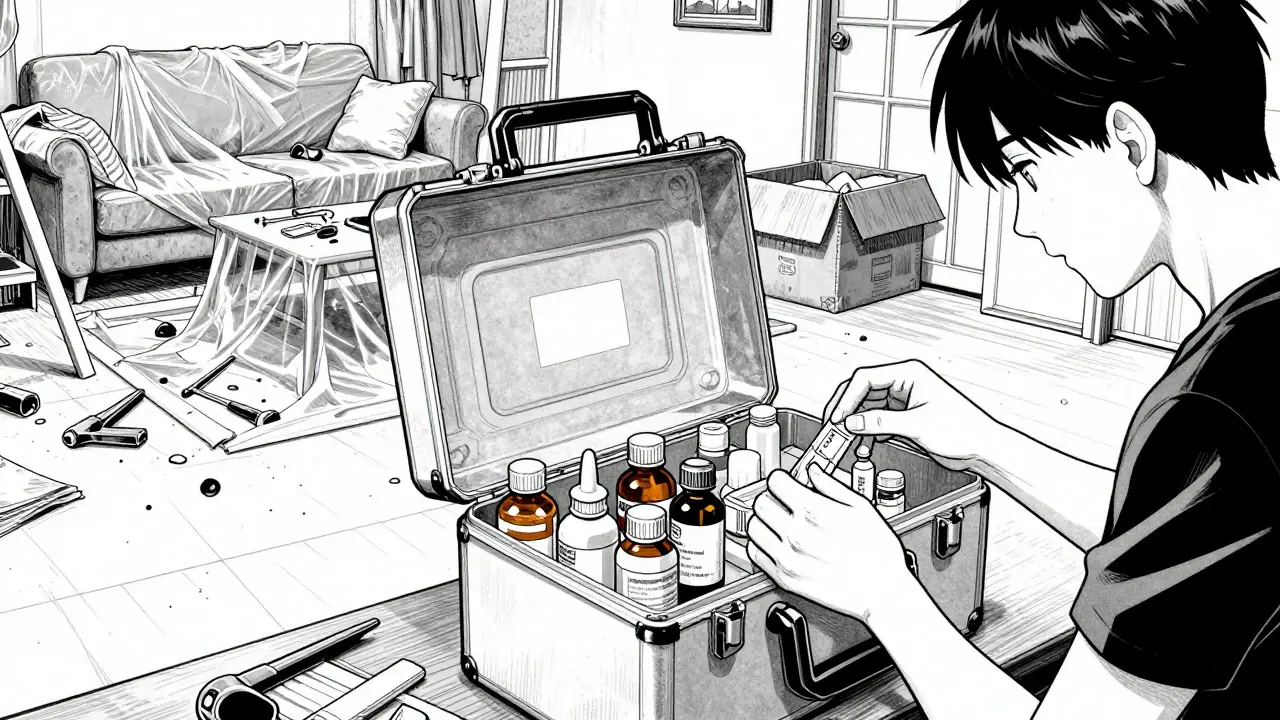
You're packing boxes, coordinating contractors, and trying to keep your sanity while your living room looks like a construction site. In the middle of all that chaos, it's easy to overlook the small plastic bottles and vials tucked away in your bathroom cabinet. But leaving your prescriptions in a makeshift pile or a random cardboard box isn't just disorganized-it's dangerous. Whether you're moving across town or gutting your kitchen, secure medications must remain a priority to prevent accidental poisoning, theft, or the degradation of the drugs themselves.
The Quick Guide to Transitional Medication Safety
| Priority | Action Item | Critical Requirement |
|---|---|---|
| Immediate | Audit Inventory | Identify expired or unused meds for disposal. |
| Environmental | Climate Control | Keep non-refrigerated meds between 15°C-25°C. |
| Security | Lockable Storage | Use a portable safe or locked box during transitions. |
| Transportation | Personal Carry | Never leave essential meds in a moving truck. |
Managing Your Meds During Home Renovations
When contractors are coming and going, your home's usual boundaries disappear. That bathroom cabinet where you usually keep your pills is no longer a private zone. If you're renovating a bedroom or bathroom, the first thing you should do is relocate your pharmacy. Many people make the mistake of leaving meds in a "temporary" spot like a kitchen counter or a hallway table, but this leaves them wide open to children or unauthorized guests.
The best move is to set up a dedicated, locked station in an unaffected part of the house. Since you can't rely on your built-in cabinets, consider a Medicine Safe, which is a robust locking compartment designed to limit access and resist tampering . If you don't have a specialized safe, a heavy-duty lockbox or even a locked fire-safe works well. The goal is to keep the medication out of sight and out of reach-specifically at or above counter height to keep curious kids away.
Watch out for the environment. If you're doing demolition, dust and moisture can be rampant. Avoid storing your meds near the renovation zone where humidity from painting or plumbing work might seep in. High humidity can cause things like blood glucose strips to give inaccurate readings or cause pills to break down faster. Stick to a cool, dry area, far away from the "splash zone" of the renovation.
Safe Transport During a House Move
Moving day is the peak time for medication mishaps. Between the stress and the rush, it's easy to pack your prescriptions into a random "Miscellaneous" box that ends up at the bottom of a stack in a hot moving truck. This is a recipe for disaster. According to safety guidelines, medications should never be stored in vehicles exposed to extreme temperatures. A shipping container in the middle of a summer afternoon can easily exceed the safe limit of 25°C, potentially ruining the potency of your drugs.
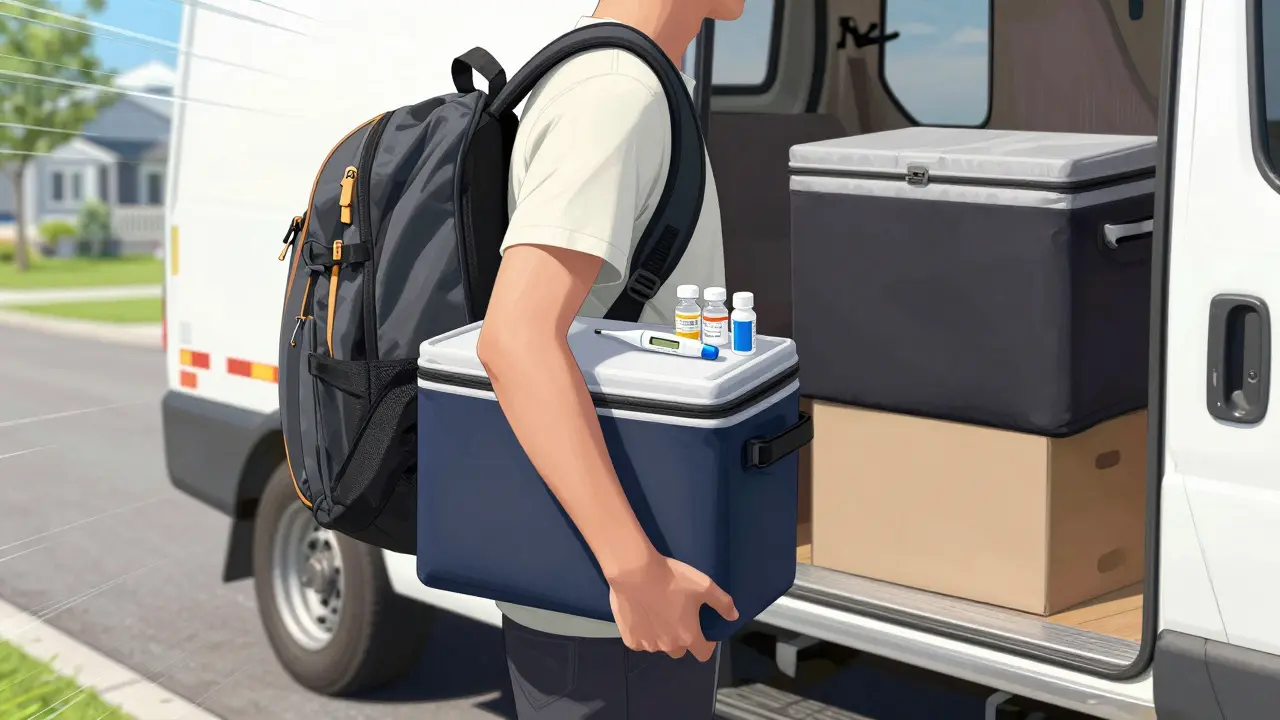
Your rule of thumb should be: if you need it within the next 14 days, it stays with you. Pack your essential medications in a dedicated carry-on bag or a personal backpack. This ensures you have access to them during the transition and protects them from the temperature swings of a cargo hold. Always keep medications in their Original Prescription Bottles, which provide the necessary dosing instructions and identification for emergency responders if something goes wrong during the move.
For those who rely on temperature-sensitive drugs, the stakes are higher. Insulin is a protein-based medication that requires refrigeration between 2°C and 8°C to remain stable . If insulin freezes or overheats, it can become unstable, and there is no visual way to tell if it has lost its effectiveness. Use a high-quality insulated cooler bag with gel packs to maintain a steady temperature during the drive to your new home. Avoid packing these in the trunk; keep them in the passenger cabin where you can monitor the temperature.
Purging the Pharmacy: Safe Disposal
A move or renovation is the perfect time to clear out the clutter. Most households are sitting on a goldmine of expired prescriptions that they're "saving for later." This is a significant risk, especially during a move when these old meds could be accidentally rediscovered by a child in a packed box.
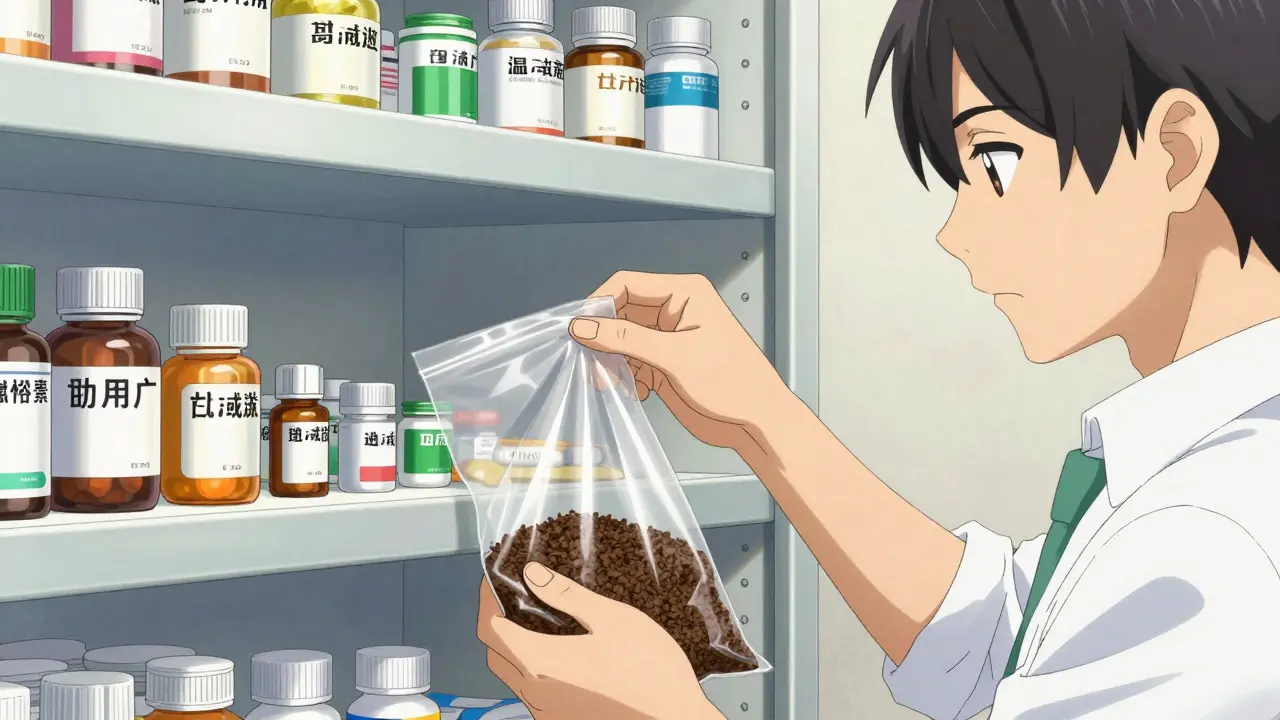
The gold standard for getting rid of unwanted drugs is a Drug Take-Back Program, which is a service where pharmaceutical waste is collected and incinerated at permitted facilities with strict emission controls . This prevents chemicals from leaching into the water supply or soil. If a take-back site isn't available, you can use the "mix-in" method: remove the pills from the bottle and mix them with an unappealing substance like used coffee grounds or cat litter, then seal them in a plastic bag before throwing them in the trash.
However, not everything can go in the bin. High-risk controlled substances-such as fentanyl or hydrocodone-pose a severe danger if they fall into the wrong hands. For these specific medications, official guidance often suggests flushing them down the toilet as the safest way to ensure they are permanently removed from the home environment immediately.
Avoiding Common Transitional Pitfalls
It's easy to get complacent when you're exhausted from moving boxes. One common mistake is using the bathroom as a temporary staging area for meds because "that's where they always go." But remember, the steam from a shower can accelerate the breakdown of pharmaceutical compounds. Until your new bathroom is fully functional and ventilated, keep your meds in a bedroom closet or a kitchen cabinet.
Another trap is the "temporary bin" approach. Putting your meds in a small plastic bin on the kitchen counter is convenient, but it fails the security test. If you have guests helping you move or contractors working in your home, a countertop bin is an open invitation for accidents. Always prioritize a lock over convenience during these chaotic periods.
Finally, don't guess about your meds. If you have complex requirements or expensive biologics, call your pharmacist or doctor before the move. Ask them specifically about the stability of your medication regarding temperature and light exposure. A five-minute phone call can save you from losing a month's worth of expensive treatment to a hot moving van.
Can I leave my medications in the car while I move furniture?
No. Cars act like ovens in the sun and freezers in the winter. Extreme temperatures can degrade the chemical structure of your medication, making it less effective or even harmful. Always keep medications in a climate-controlled environment, preferably in your personal bag.
What is the safest way to store meds if my bathroom is being renovated?
Relocate them to a cool, dry area like a bedroom closet or a kitchen cabinet. Ensure they are stored in a locked box or high shelf to prevent children from accessing them, and keep them away from any areas with high humidity or direct sunlight.
How do I know if my refrigerated medicine was ruined during a move?
Visually, you often can't tell. For example, insulin that has frozen or overheated looks the same as stable insulin. If you suspect a temperature excursion, contact your pharmacist or healthcare provider immediately to determine if the medication needs to be replaced.
Should I throw away old medications in the trash during a move?
Only if you follow the "mix-in" method (mixing with coffee grounds/cat litter in a sealed bag) and only for non-hazardous drugs. For controlled substances or hazardous meds, use a drug take-back program or flush them if specifically instructed by guidelines.
Why can't I just put all my pills in one large organizer for the move?
While organizers are great for daily use, keeping medications in their original prescription bottles during a move is safer. Original labels provide critical information for doctors or pharmacists in case of an emergency and ensure you don't mix up similar-looking tablets.
Next Steps for a Stress-Free Transition
If you're planning a move or renovation in the next few weeks, start by auditing your current supply. Toss the expired stuff today so you aren't packing trash. Next, purchase a small, portable lockbox if you don't have one; it's a cheap investment that prevents a potentially fatal accident.
For those with specialized needs, like those using a Cold Chain, which is a temperature-controlled supply chain that ensures medications stay within a specific range from manufacturer to patient , invest in a digital thermometer for your cooler. This allows you to verify that your medications stayed within the safe range throughout the journey to your new home.
Author
Mike Clayton
As a pharmaceutical expert, I am passionate about researching and developing new medications to improve people's lives. With my extensive knowledge in the field, I enjoy writing articles and sharing insights on various diseases and their treatments. My goal is to educate the public on the importance of understanding the medications they take and how they can contribute to their overall well-being. I am constantly striving to stay up-to-date with the latest advancements in pharmaceuticals and share that knowledge with others. Through my writing, I hope to bridge the gap between science and the general public, making complex topics more accessible and easy to understand.