

For millions of people living with pain-whether from a sports injury, arthritis, back strain, or nerve damage-opioids are no longer the only or even the best first choice. In fact, relying on them carries serious risks: addiction, breathing problems, constipation, and tolerance that forces higher doses over time. The good news? There are powerful, science-backed ways to manage pain without opioids at all. And they’re not just alternatives-they’re often more effective, safer, and longer-lasting.
Why Skip Opioids Altogether?
Opioids might seem like the obvious answer for strong pain, but the numbers tell a different story. About 1 in 5 U.S. adults with chronic pain still get prescribed opioids, even though the CDC has been pushing for safer options since 2016. And it’s not just about addiction. Around 0.7% of chronic pain patients on opioids develop an opioid use disorder each year. That’s not a small number when you’re talking about millions of people. Plus, 50-80% experience respiratory depression, and 40-95% deal with severe constipation. These aren’t side effects you can ignore. The shift away from opioids isn’t just policy-it’s practical. Studies show that for most types of chronic pain, non-opioid methods work just as well, sometimes better, without the danger. The goal now isn’t to replace opioids with another drug. It’s to use a combination of treatments-physical, mental, and pharmacological-that target pain from multiple angles. That’s what multimodal pain management means.What Is Multimodal Pain Management?
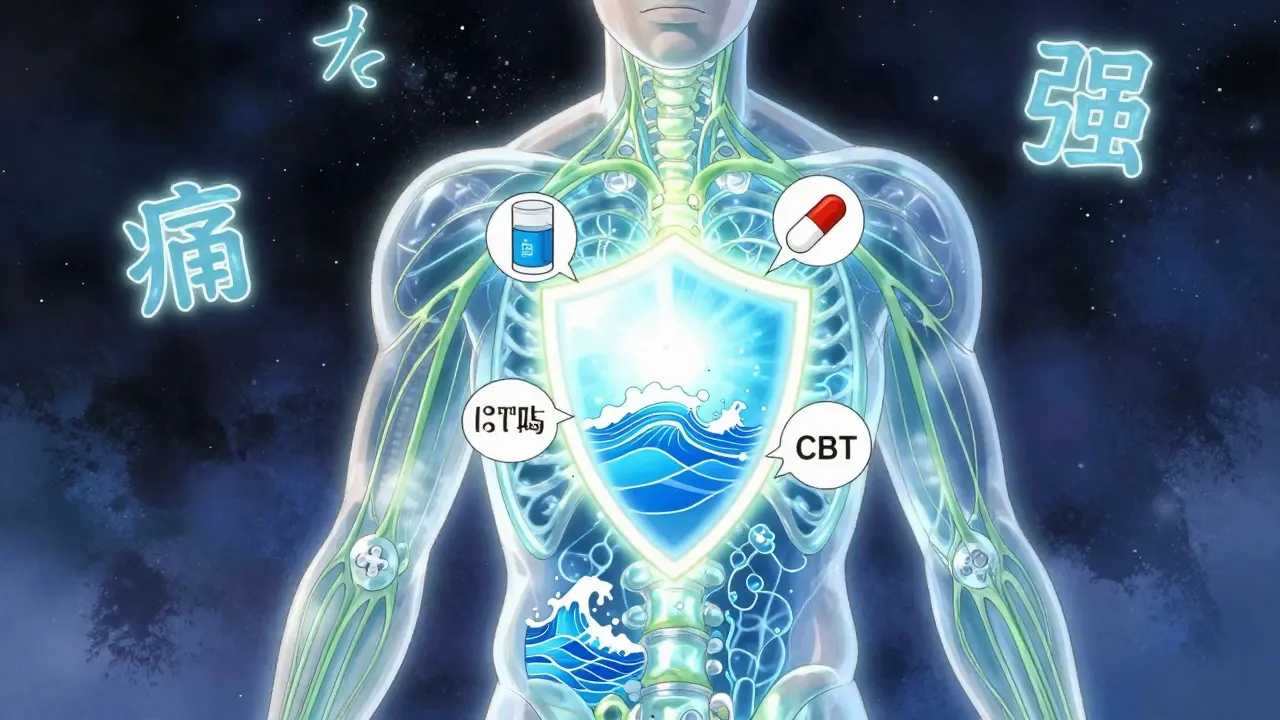
Multimodal pain management isn’t one trick. It’s stacking several safe, effective tools together so they work better as a team than any single one alone. Think of it like fixing a leaky roof: you don’t just patch one hole-you check the shingles, the gutters, the flashing, and the underlayment. Same with pain. The CDC’s 2022 Clinical Practice Guideline makes it clear: for subacute and chronic pain, nonpharmacologic and nonopioid pharmacologic treatments should come first. That means starting with movement, therapy, and over-the-counter meds before even considering anything stronger. This approach works because pain isn’t just a signal from your nerves. It’s shaped by your brain, your emotions, your sleep, your stress levels, and even your environment. So treating it requires more than a pill. You need to hit it from every side.Nonpharmacologic Strategies That Actually Work
You don’t need a prescription to start feeling better. Many of the most effective tools are free or low-cost-and they’re backed by solid research.- Exercise: For chronic low back pain, arthritis, or fibromyalgia, regular movement is medicine. Aim for 30-45 minutes of aerobic activity (walking, cycling, swimming) 3-5 days a week. Aquatic therapy in warm water (32-35°C) reduces joint stress and improves mobility. Resistance training with weights at 60-80% of your one-rep max, two to three times a week, builds strength and reduces pain sensitivity.
- Yoga and Tai Chi: These aren’t just relaxation techniques. A 60-90 minute yoga session twice a week can reduce pain intensity by 30-50% in people with chronic back pain. Tai Chi, practiced daily for 30-60 minutes, improves balance, reduces inflammation, and lowers stress hormones that worsen pain.
- Cognitive Behavioral Therapy (CBT): This isn’t “just talking.” CBT teaches you how your thoughts affect your pain experience. In 8-12 weekly sessions, you learn to reframe negative beliefs, reduce fear of movement, and build coping skills. Studies show 60-70% of patients see meaningful pain reduction after CBT.
- Mindfulness and Meditation: An 8-week mindfulness program with weekly 2.5-hour sessions and a full-day retreat has been shown to reduce pain-related distress as effectively as some medications. It doesn’t erase pain, but it changes how your brain reacts to it.
- Acupuncture: Done by a licensed practitioner, acupuncture involves inserting thin needles into specific points. A 2017 CDC review found only 0.14 adverse events per 10,000 treatments-making it one of the safest options. Eight to twelve sessions over 4-8 weeks can reduce osteoarthritis and chronic back pain significantly.
- Heat and Ice: For acute injuries, ice (15-20 minutes every 2-3 hours for the first 48-72 hours) reduces swelling. After that, moist heat (40-45°C) relaxes muscles and increases blood flow. Simple, cheap, and effective.
Nonopioid Medications: What’s Actually Safe and Effective?
Sometimes you need something stronger than movement and mindset. That’s where nonopioid medications come in-safe, proven, and without the risks of addiction.- NSAIDs: Ibuprofen (400-800 mg every 6-8 hours) and naproxen (375-500 mg twice daily) are first-line for inflammation-related pain like arthritis or sprains. Topical versions, like diclofenac gel applied four times daily, work just as well for localized pain (like knee osteoarthritis) with far fewer stomach risks.
- Acetaminophen: Up to 4,000 mg daily is safe for most people. It’s gentler on the stomach than NSAIDs but doesn’t reduce inflammation. Great for mild to moderate pain, especially if you have kidney or GI issues.
- Tricyclic Antidepressants: Amitriptyline (10-100 mg at night) is commonly used off-label for nerve pain, fibromyalgia, and chronic headaches. It works by changing how your brain processes pain signals. Side effects like drowsiness often fade after a few weeks.
- Suzetrigine (Journavx): Approved by the FDA in August 2023, this is the first new nonopioid painkiller in 25 years. It blocks a specific sodium channel (NaV1.8) involved in pain signaling. In trials, it matched opioid-level pain relief for moderate to severe acute pain-without respiratory depression, addiction, or constipation. This is a game-changer for emergency rooms and post-surgery care.
What About New Research?
The field is moving fast. Researchers aren’t just tweaking old drugs-they’re discovering entirely new pathways to block pain. At UT Health San Antonio, scientists developed CP612, a compound that reduces nerve pain from chemotherapy and eases withdrawal symptoms from opioids-without being addictive. It’s still in early testing but shows huge promise. Duke University’s team, funded by the NIH HEAL Initiative, is working on an ENT1 inhibitor. Unlike opioids, which lose effectiveness over time, this compound gets stronger with repeated use. Animal studies show it reduces pain more with each dose. They’ve filed a patent and plan to start human trials within 2-3 years. These aren’t lab fantasies. The FDA has issued new draft guidance to speed up approval of nonopioid analgesics. They’re actively encouraging trials that measure not just pain scores, but how much they reduce the need for opioids. That’s a major shift in how we define success in pain treatment.Cost, Access, and Real-World Challenges
The best treatment is useless if you can’t access it. Group aerobic classes cost $10-20 per session. Individual physical therapy? $100-150. Yet research shows group programs can be just as effective for low back pain. Many insurance plans now cover yoga, acupuncture, and CBT-but you have to ask. Adherence is the biggest hurdle. Only 40-60% of people stick with exercise programs long-term. That’s why starting small matters. Five minutes a day of stretching. One walk a week. Gradually build up. Consistency beats intensity. Also, not all pain responds the same. Opioids still have a role in severe trauma or end-of-life care. But for chronic low back pain, osteoarthritis, or migraines? Non-opioid approaches work better. Triptans (for migraines) give pain freedom in 40-70% of patients within two hours. Topical NSAIDs reduce osteoarthritis pain by 20-40%. Exercise and CBT cut chronic back pain by 30-50% in most patients.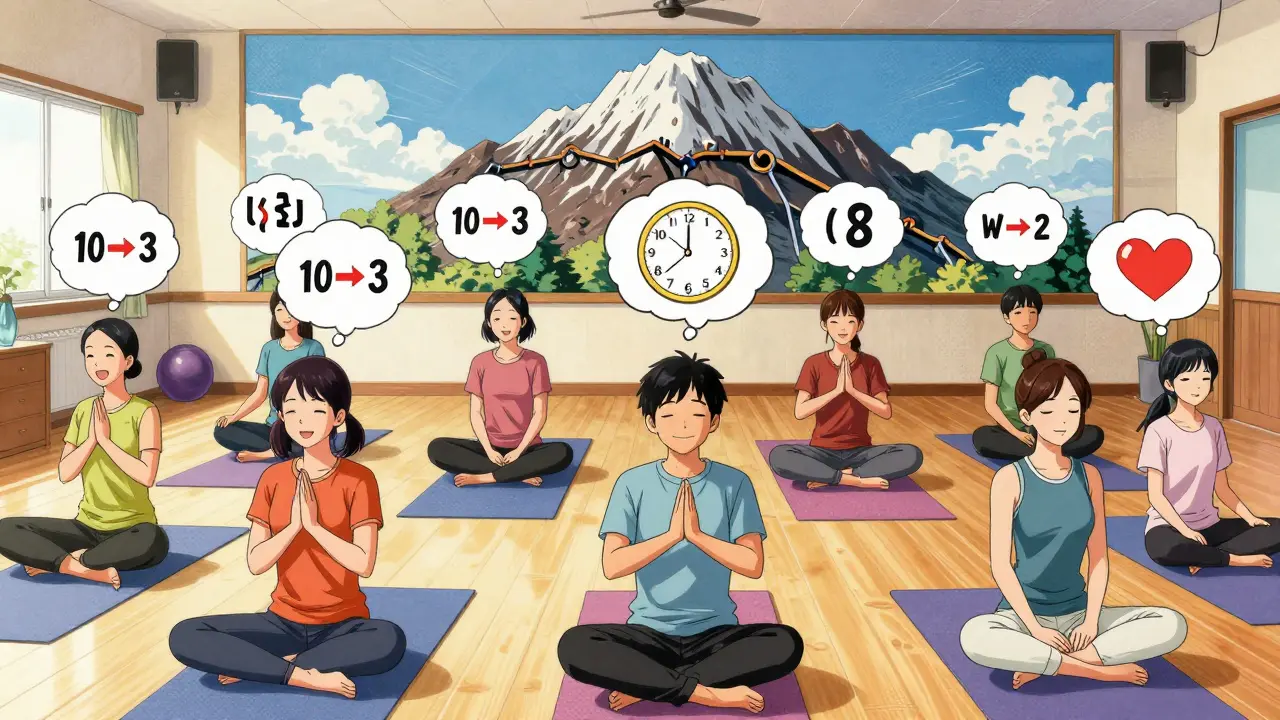
Expert Opinions: Why This Isn’t Just a Trend
Dr. Kenneth M. Hargreaves at UT Health San Antonio says targeting specific enzymes like PLA2 can create non-addictive drugs that prevent opioid use disorder before it starts. Dr. Seok-Yong Lee at Duke calls pain “not well understood”-and believes new targets like ENT1 could offer better relief than opioids ever did. But there’s a warning too. Dr. Jane Ballantyne cautions against swapping one crisis for another. Overprescribing NSAIDs can cause stomach bleeding. Too much acetaminophen damages the liver. We need balance. The message is clear: non-opioid strategies aren’t a compromise. They’re an upgrade. And they’re becoming standard. In 2023, 73% of pain specialists now use multimodal approaches as first-line treatment-up from 42% in 2018. The American Society of Regional Anesthesia recommends at least two non-opioid drugs plus regional anesthesia for surgery patients. That’s not experimental. That’s protocol.Where Do You Start?
If you’re dealing with chronic pain, here’s your simple roadmap:- Stop assuming opioids are your only option. Ask your doctor about alternatives.
- Start moving. Even light walking 3x a week helps. Don’t wait for pain to disappear-move through it.
- Try CBT or mindfulness. Many online programs are affordable. Look for ones backed by clinical research.
- Use topical NSAIDs for localized pain. Less risk, same relief.
- Ask about suzetrigine if you’re in acute pain (post-surgery, injury). It’s now available in many hospitals and pharmacies.
- Track your progress. Use a simple journal: pain level (1-10), what you did, how you felt the next day.
What’s Next?
By 2028, non-opioid treatments are expected to make up 65% of first-line chronic pain care-up from 45% in 2022. The NIH has poured $1.9 billion into this research. The FDA is streamlining approvals. Doctors are changing their habits. And patients are demanding safer options. This isn’t a passing trend. It’s the future of pain care. And you don’t have to wait for it to arrive-you can start living it today.Are non-opioid pain treatments really as effective as opioids?
For most types of chronic pain-like back pain, osteoarthritis, and nerve pain-yes. Studies show non-opioid approaches like exercise, CBT, and topical NSAIDs reduce pain by 30-50% in 60-70% of patients. For acute pain, the new drug suzetrigine (Journavx) matches opioid-level relief without the risks of addiction or breathing problems. Opioids may work faster for severe trauma, but they’re not better long-term.
Can I stop opioids cold turkey and switch to non-opioid methods?
Not without medical supervision. Stopping opioids suddenly can cause withdrawal symptoms like nausea, anxiety, and increased pain. Work with your doctor to taper slowly while introducing non-opioid strategies like CBT, exercise, or medications like gabapentin or amitriptyline. A structured plan reduces rebound pain and improves success.
Is acupuncture safe and worth trying?
Yes. A 2017 CDC review found only 0.14 adverse events per 10,000 acupuncture treatments-making it one of the safest pain therapies available. It’s particularly effective for chronic low back pain, osteoarthritis, and headaches. Look for a licensed practitioner with experience in pain management.
What’s the cheapest way to start managing chronic pain without drugs?
Walking. Just 30 minutes a day, 3-4 times a week, can reduce pain and improve function. Pair it with free online mindfulness apps (like Insight Timer or UCLA Mindful) and heat packs from your local pharmacy. Group exercise classes often cost under $20 per session and are as effective as expensive physical therapy.
Do insurance plans cover non-opioid pain treatments?
Many do-especially for CBT, acupuncture, and physical therapy. But coverage varies. Call your insurer and ask: "Do I have benefits for non-opioid pain management, including mental health therapy for pain, acupuncture, or aquatic therapy?" Some plans now cover yoga and mindfulness programs too.
Is suzetrigine (Journavx) available to the public yet?
Yes. Approved by the FDA in August 2023, suzetrigine is now available by prescription in hospitals, urgent care centers, and pharmacies across the U.S. It’s primarily used for moderate to severe acute pain, like after surgery or injury. Ask your doctor if it’s appropriate for your situation.
Can non-opioid treatments help with migraines?
Absolutely. Triptans (like sumatriptan) are non-opioid medications that stop migraine attacks in 40-70% of patients within two hours. Preventive options include CBT, acupuncture, and magnesium supplements. Avoiding triggers (like caffeine, stress, or sleep changes) also plays a major role.
What’s the biggest mistake people make when switching from opioids to non-opioid methods?
Expecting instant results. Opioids mask pain quickly. Non-opioid methods build relief over time-weeks, not days. The biggest mistake is giving up too soon. Stick with exercise, therapy, or mindfulness for at least 6-8 weeks before judging if it’s working. Small improvements add up.


Author
Mike Clayton
As a pharmaceutical expert, I am passionate about researching and developing new medications to improve people's lives. With my extensive knowledge in the field, I enjoy writing articles and sharing insights on various diseases and their treatments. My goal is to educate the public on the importance of understanding the medications they take and how they can contribute to their overall well-being. I am constantly striving to stay up-to-date with the latest advancements in pharmaceuticals and share that knowledge with others. Through my writing, I hope to bridge the gap between science and the general public, making complex topics more accessible and easy to understand.