
Brain Aneurysm Treatment: Options, Risks, and What Works Best
When a weak spot in a blood vessel in the brain balloons out, it forms a brain aneurysm, a bulge in a brain artery that can rupture and cause life-threatening bleeding. Also known as a cerebral aneurysm, it often shows no symptoms until it bursts — making early detection and smart treatment decisions critical. About 6 million people in the U.S. live with an unruptured brain aneurysm, but only about 30,000 rupture each year. Still, when it does, the outcome can be devastating: nearly half of ruptured cases are fatal, and many survivors face long-term disability.
Doctors have two main ways to treat a brain aneurysm before it bursts: surgical clipping, a traditional open surgery where a metal clip is placed at the base of the aneurysm to stop blood flow into it, and endovascular coiling, a less invasive procedure where tiny coils are threaded through a blood vessel to fill the aneurysm and prevent rupture. There’s also a newer option called flow diversion, which uses a stent-like device to redirect blood away from the weakened area. The choice depends on the aneurysm’s size, shape, location, your age, overall health, and whether it’s already leaked or ruptured. Not every aneurysm needs immediate treatment — some are monitored closely with regular imaging if the risk of rupture is low.
What most people don’t realize is that treatment isn’t just about the procedure. It’s also about managing the aftermath. After surgery or coiling, patients often need to control blood pressure tightly, avoid smoking, and sometimes take medications to prevent spasms in brain arteries. Recovery can take weeks to months, and some people experience fatigue, memory issues, or mood changes — not because of the aneurysm itself, but because of how the brain reacts to the stress of treatment. That’s why follow-up care and understanding your own body’s signals matter as much as the initial fix.
You’ll find real-world stories and expert advice in the posts below — from how doctors decide between clipping and coiling, to what happens when a patient has multiple aneurysms, to why some people recover faster than others. You’ll also see how medications, like those used for blood pressure or seizures, play a role in long-term care. Whether you’re asking for yourself, a family member, or just trying to understand the science, this collection gives you the facts without the fluff.
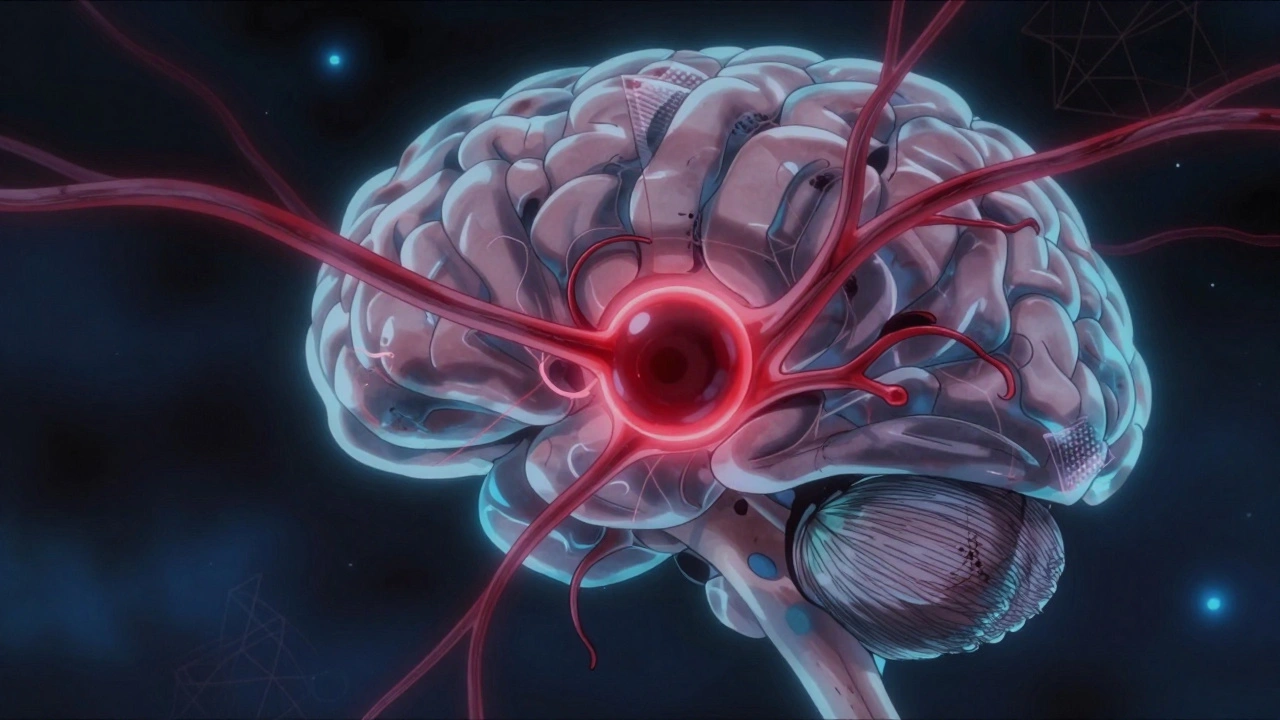
Cerebral Aneurysm: Understanding Rupture Risk and Modern Treatment Options
Dec 8, 2025, Posted by Mike Clayton
Learn the real risks of a cerebral aneurysm rupturing and what modern treatments like coiling, clipping, and flow diversion can do to prevent disaster. Know your numbers, know your options.
MORESEARCH HERE
Categories
TAGS
- treatment
- online pharmacy
- dietary supplement
- side effects
- medication safety
- generic drugs
- medication adherence
- health
- dietary supplements
- health benefits
- online pharmacy Australia
- generic substitution
- adverse drug reactions
- thyroid disorders
- gabapentin
- treatment option
- calcipotriol
- blood pressure
- erectile dysfunction
- closer look