
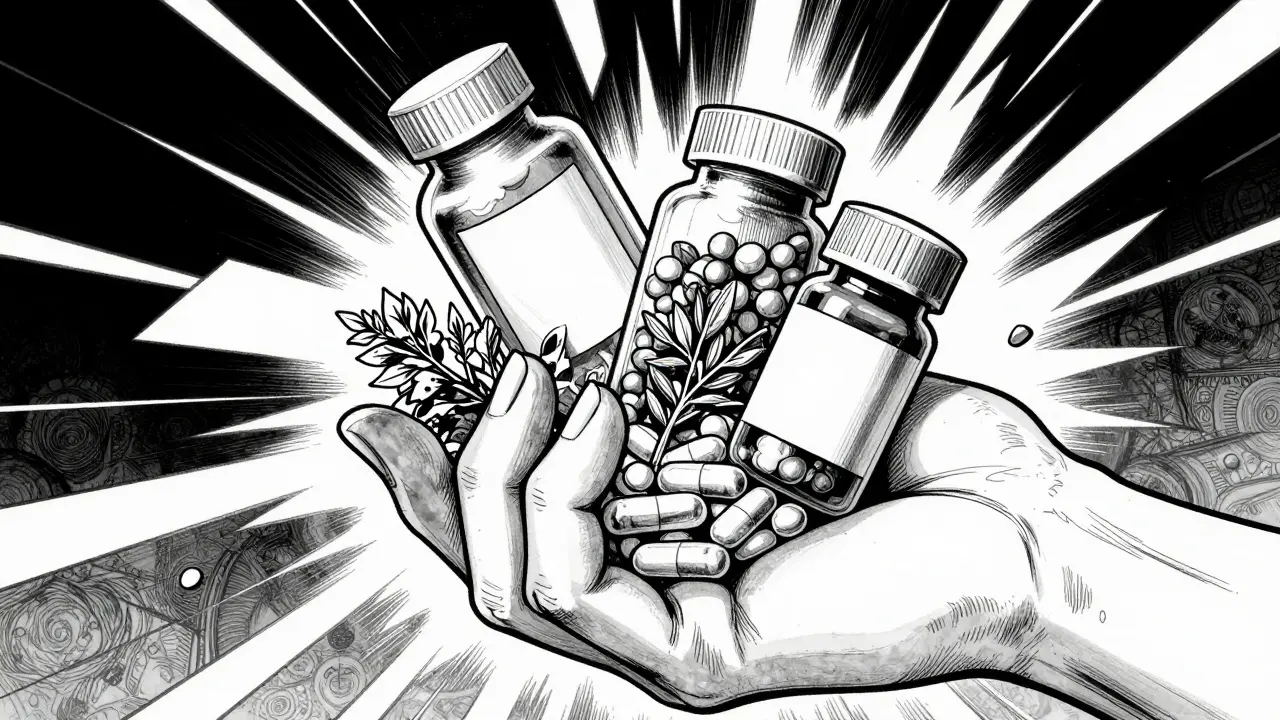
The Hidden Danger in Your Medicine Cabinet
Imagine walking into your doctor's office for a routine check-up. You look great, your vitals are normal, and you feel healthy. But here is the catch: you have been taking St. John's Wortan herb often used for depression to help with your sleep, and you just started a new prescription for anxiety last week. If you don't say anything, you have set yourself up for a chemical disaster inside your own body.
Most people believe vitamins and herbs are just "healthy extras." We toss them in our daily water routine alongside coffee and breakfast. The problem isn't the supplements themselves, but the silence around them. When you skip telling your provider, you are essentially driving a car with one eye closed. You miss the red lights and the stop signs until it is too late.
This isn't fear-mongering; it is biology. Herbs contain potent chemicals. Some work almost exactly like prescription drugs. Others change how your liver processes other medications. The result? A pill that was meant to lower your blood pressure might suddenly make you faint, or a pill meant to prevent clots might cause you to bleed out during a minor dental procedure.
What You Need to Know Before the Appointment
Before you even sit down in that clinic chair, you need to understand what actually qualifies as a supplement. It isn't just the little bottles of fish oil on your counter. Anything you swallow to improve health that isn't a prescription drug counts. This includes:
- Herbal extracts and teas
- Multivitamins and individual minerals
- Amino acids and protein powders
- Essential oils taken orally
- Traditional Chinese medicines
Even something you bought over the counter at a wellness shop belongs on your list. Common Supplements List is not the only source of trouble. Think about the energy drinks you consume before work, or the pre-workout shakes containing creatine. These all have metabolic effects that interact with the standard treatments your doctor plans to prescribe.
Why Doctors Often Don't Ask (And What You Should Do)
Here is a hard truth about modern medicine: time is short. In many clinics, you get about fifteen minutes per visit. In that window, doctors are juggling chronic conditions, insurance codes, and lab results. They are trained to ask about prescription drugs, alcohol, and tobacco. They rarely have a structured system to ask about the bottle of turmeric on your nightstand.
It shouldn't fall entirely on them, but it does. Research shows that a vast majority of patients do not volunteer this information. Why? Because they assume it doesn't matter. They think, "My doctor won't know about this stuff," or worse, "He will scold me for wasting money on useless pills." Both fears are understandable, but dangerous.
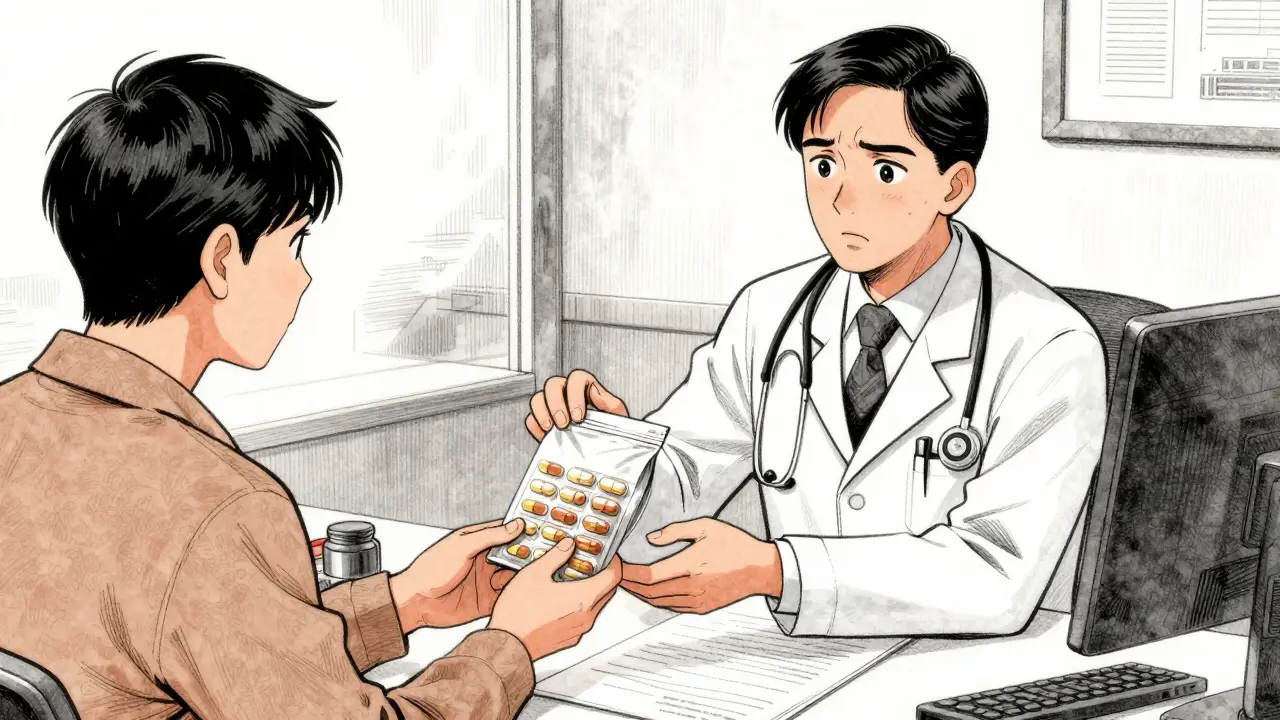
If your provider never asks, you must speak up. Do not wait for them to bring it up. Frame it proactively. Instead of hoping they remember to check, hand them the box or say clearly: "I am currently taking three supplements I'd like you to review against my new treatment plan." This shifts the dynamic from hiding secrets to collaborating on care.
The "Natural" Fallacy
We love to label things as "natural." We hear "chemical" and we recoil. But here is the reality: everything is made of chemicals. Water is a chemical. Poison ivy oil is natural. So is arsenic. The issue isn't whether a substance comes from the ground or a factory; the issue is potency.
When you take a concentrated extract of ginkgo biloba, you are delivering a high dose of plant compounds to your bloodstream. Your body reacts to these compounds just like it reacts to aspirin or warfarin. Ignoring them assumes they are inert sugar pills. They are not. Studies suggest that serious adverse events happen far more often than reported because people simply don't connect the dots between their herb intake and their sudden illness.
Understanding Dangerous Interactions
Sometimes the interaction is subtle. You just feel a bit off. Other times, it is dramatic and life-threatening. There are specific combinations that act like loaded traps. For instance, combining anticoagulants (blood thinners) with garlic supplements or vitamin E can cause uncontrollable bleeding. Taking iron supplements with certain antibiotics blocks the absorption of the antibiotic, making the infection harder to treat.
| Supplement | Potential Risk | Interaction Target |
|---|---|---|
| St. John's Wort | Reduces effectiveness | Birth control, antidepressants, HIV meds |
| Vitamin K | Counteracts blood thinners | Warfarin, Xarelto, Eliquis |
| Ginkgo Biloba | Increases bleeding risk | Aspirin, NSAIDs, surgery |
| Turmeric/Curcumin | Lowers blood pressure further | Hypertension medication |
| Saw Palmetto | Affects hormone levels | Prostate hormones, diabetes meds |
This table covers just a few examples. If you are unsure, do not guess. The safest path is always to verify with a professional who has access to your full history. Remember, different providers see different parts of your health puzzle. Your dermatologist probably doesn't know what your cardiologist prescribed yesterday. You are the only thread connecting them all.
Practical Ways to Prepare Your Disclosure
Walking into a consultation and trying to recall every brand name from memory is a recipe for failure. Memory fades, especially when you are nervous or anxious about a diagnosis. Instead, create a master record. Here are simple methods to organize your information:
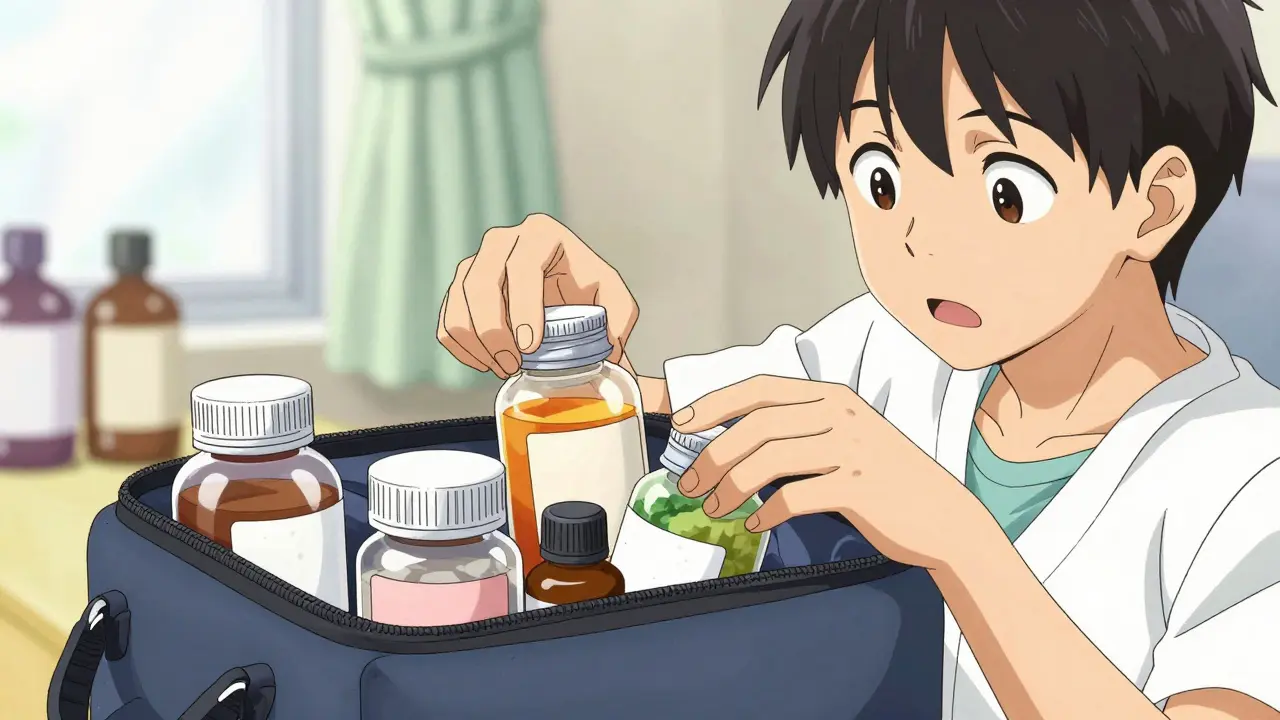
- Bring the Bottles: Put every bottle, container, and packet into a tote bag. Physically handing the package to your doctor eliminates ambiguity about ingredients.
- Use Apps: Digital health records allow you to upload photos of your labels. Many hospitals now have portals where you can update your own medication list before the appointment.
- Note Frequency: Tell them dosage and timing. Taking magnesium once a month is different than taking it four times daily.
- List Alternatives: If you have stopped taking something recently, still mention it. Your body might still be holding onto residues of the compound.
Do this preparation before the visit starts. When the nurse calls your name, your list should already be in your hand. This small effort signals to the provider that you value safety and accuracy.
Navigating Judgment and Cultural Differences
Some patients hold back because they fear being judged. Maybe your culture relies heavily on traditional herbal medicine, or maybe you prefer holistic approaches over pharmaceutical interventions. Your preferences are valid, but they must coexist safely with conventional medicine.
If you feel your doctor is dismissive, don't hide the info-ask for a second opinion or find an integrative practitioner. Silence protects nothing. Even if they react negatively to your choices, knowing what you took provides a safety net in case of emergency. If you go into cardiac arrest, the ER team needs to know if you were on high doses of licorice root, which can spike blood pressure dangerously.
The Role of Regulation and Responsibility
In many countries, including the United States and Australia, dietary supplements are regulated differently than drugs. In the US, under DSHEA, manufacturers don't need FDA approval before selling. In Australia, the Therapeutic Goods Administration (TGA) oversees registration. While systems exist, gaps remain regarding rigorous testing for long-term side effects.
This regulatory landscape means the burden of safety often falls partially on the consumer. Labels can sometimes be inaccurate due to contamination or mislabeling. By informing your provider, you enable them to monitor for adverse reactions that might stem from poor manufacturing quality rather than just intended pharmacological effects. They can order blood tests to check kidney function or liver enzymes that might otherwise go unchecked.
Your Health Is a Shared Responsibility
Ultimately, medicine is a partnership. You know what goes into your mouth; they know what those substances do biologically. Bridging that gap requires transparency. It transforms a potential minefield into a coordinated strategy. Every patient deserves a complete picture. By volunteering this information, you aren't just protecting yourself; you are helping your doctor learn to be better at treating complex patients.
Don't let pride or assumption put your physical wellbeing at risk. That small conversation you are avoiding could be the most important part of your entire treatment journey.


Author
Mike Clayton
As a pharmaceutical expert, I am passionate about researching and developing new medications to improve people's lives. With my extensive knowledge in the field, I enjoy writing articles and sharing insights on various diseases and their treatments. My goal is to educate the public on the importance of understanding the medications they take and how they can contribute to their overall well-being. I am constantly striving to stay up-to-date with the latest advancements in pharmaceuticals and share that knowledge with others. Through my writing, I hope to bridge the gap between science and the general public, making complex topics more accessible and easy to understand.