
Diabetes Sick Day Action Planner
⚠️ Important: This tool provides general guidelines based on standard sick day protocols. Always consult your doctor for a personalized emergency plan.
1 Are you experiencing symptoms?
2 Which medications do you currently take?
3 Current Numbers (Optional)
Recommended Actions
Imagine you are feeling rough with a stomach bug, your energy levels are crashing, and you just want to rest. But if you have diabetes, your medication choices right now can literally mean the difference between a few days of discomfort and a trip to the emergency room. Every year, thousands of people with diabetes end up hospitalized simply because they didn't adjust their medicines when they got sick. Specifically, risks like Diabetic Ketoacidosis, commonly known as DKA, a life-threatening condition where your blood becomes too acidic, and Acute Kidney Injury, a sudden decline in kidney function, spike dramatically during illness.
This isn't just about taking less sugar out of your tea; it's about how your body handles stress hormones and hydration. When you're fighting off a virus, your body releases stress chemicals that raise your blood sugar. If your diabetes medications aren't adjusted correctly during this stress, your kidneys can get overwhelmed, or your blood chemistry can go haywire. This guide breaks down exactly which pills to pause, which doses to change, and how to monitor yourself so you stay safe without needing a rescue team from the ER.
The Basics of Sick Day Protocols
Sick day rules are a set of pre-planned instructions for managing diabetes treatment when you feel unwell. They were formally established by organizations like the American Diabetes Association (ADA) back in the 80s, but they've been updated repeatedly to match new drugs and data. The core concept is simple: illness changes how your body processes medicine and glucose. During flu season or a bacterial infection, the goal shifts from normal management to damage control.
Why does this matter so much? A recent analysis looking at nearly 48,000 hospital admissions found that patients with diabetes have a significantly higher risk of complications when they stay on standard dosages during sickness. The guidelines exist to stop medication side effects that become dangerous when you are dehydrated or vomiting. You don't need a PhD to understand them, but you do need to know which category your medicines fall into before the fever hits.
Medicines That Need to Stop Immediately
Not every pill is safe to keep popping when you can't keep food or fluids down. Some common diabetes drugs carry severe risks if taken while your kidneys are struggling or your metabolism is stressed.
Metformin: This is one of the most widely prescribed drugs for type 2 diabetes. Under normal conditions, it's great for controlling blood sugar. However, if you are vomiting, have diarrhea, or haven't been eating much, Metformin increases the risk of lactic acidosis. Lactic acidosis is rare but dangerous. It happens when lactate builds up in the blood. To prevent this, current protocols suggest pausing Metformin as soon as you notice symptoms like nausea or loss of appetite. Do not restart it until you are back to your normal fluid intake for at least 48 hours.
SGLT2 Inhibitors: Drugs like empagliflozin, dapagliflozin, and canagliflozin belong to this class. They work by helping your kidneys flush excess sugar through urine. While effective, they also lower your threshold for ketosis. This means you are more likely to develop Euglycemic DKA, a form of ketoacidosis that can happen even when your blood sugar looks okay. Because these meds rely on good kidney function, dehydration makes them risky. You must stop taking these immediately when you are sick. Many experts recommend holding off starting them again until a week after you fully recover.
| Medication Class | Action | Reason for Change |
|---|---|---|
| Metformin | Stop temporarily | Risk of lactic acidosis due to kidney stress |
| SGLT2 Inhibitors | Discontinue immediately | Risk of Euglycemic DKA and dehydration |
| ACE Inhibitors / ARBs | Hold if dehydrated | Risk of Acute Kidney Injury |
| Insulin | Usually increase dose | Blood sugar rises due to stress hormones |
Blood Pressure Meds (ACE Inhibitors & ARBs): Sometimes these aren't strictly "diabetes" drugs, but many people with diabetes take lisinopril or losartan for blood pressure and heart protection. These drugs affect your kidneys' filtration rate. If you are losing fluids through sweat, vomiting, or low intake, your blood pressure drops further, and your kidneys might shut down. Watch your fluid intake. If you drink less than 1.5 liters a day, pause these medications.
Insulin Adjustments During Stress
While oral meds often get paused, insulin usually needs a different approach. Stopping all medication is rarely the right answer for insulin users. Your body creates high levels of cortisol and adrenaline when fighting infection. These hormones push your liver to release glucose, causing blood sugar spikes.
If you take basal (long-acting) insulin, you typically should not skip a dose. In fact, you often need more. If you use a pump, some doctors suggest increasing the basal rate by 10% to 20%. If you use injections, check with your care team, but keeping your regular background dose is usually safer than skipping it. For bolus (rapid-acting) insulin, coverage depends on what you are eating. If you aren't eating solids, stick to small amounts of simple carbs paired with smaller insulin doses, or just treat with correction doses if you are running very high.
Glucagon-like Peptide-1 Agonists (GLP-1) are newer weight-loss and diabetes injectables. Current guidelines are still catching up here. Generally, if you can't eat anything, you can hold the weekly shot until you resume normal meals. Since these slow down digestion, they might make vomiting harder to control if taken too close to severe nausea.
Monitoring Your Metrics
Checking your numbers tells you when to act fast versus when to wait it out. During a viral illness, you can't just check once in the morning. Your situation can flip quickly.
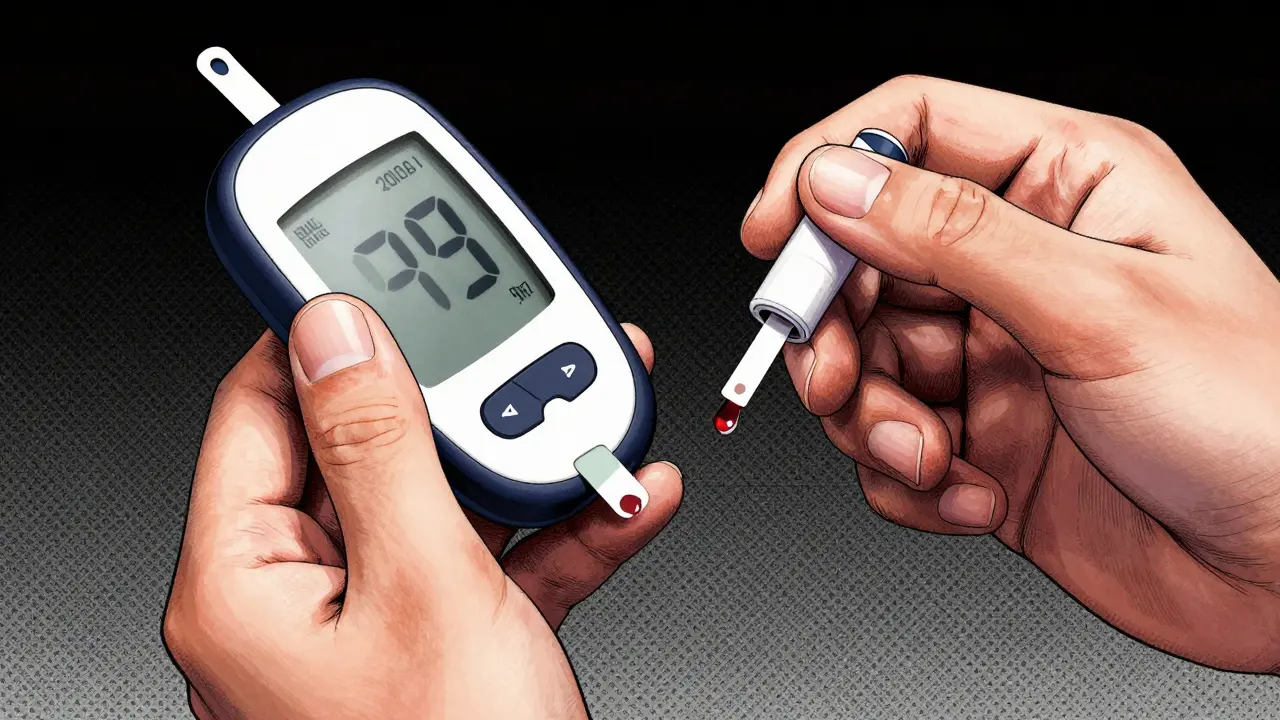
Blood Glucose: Test every two to four hours. Keep a log. Ideally, you want to stay under 180 mg/dL (10 mmol/L), but tight control isn't the priority; survival is. If your number climbs over 240 mg/dL (13.3 mmol/L), you need to switch strategies.
Ketones: This is critical. Ketones are acids produced when your body burns fat instead of sugar. High ketones mean DKA is forming. Use a blood ketone meter if possible (urine strips are less accurate). If your level is above 0.6 mmol/L, call your doctor. If it goes above 1.5 mmol/L, go to the hospital. Ketones tell you that your cells aren't getting sugar despite high blood glucose levels.
Hydration: Drink water or electrolyte solutions frequently. If you throw up, try taking a sip every five minutes rather than gulping. Small sips stay in your stomach longer. Avoid alcohol completely, as it confuses your blood sugar signals.
Building Your Emergency Kit
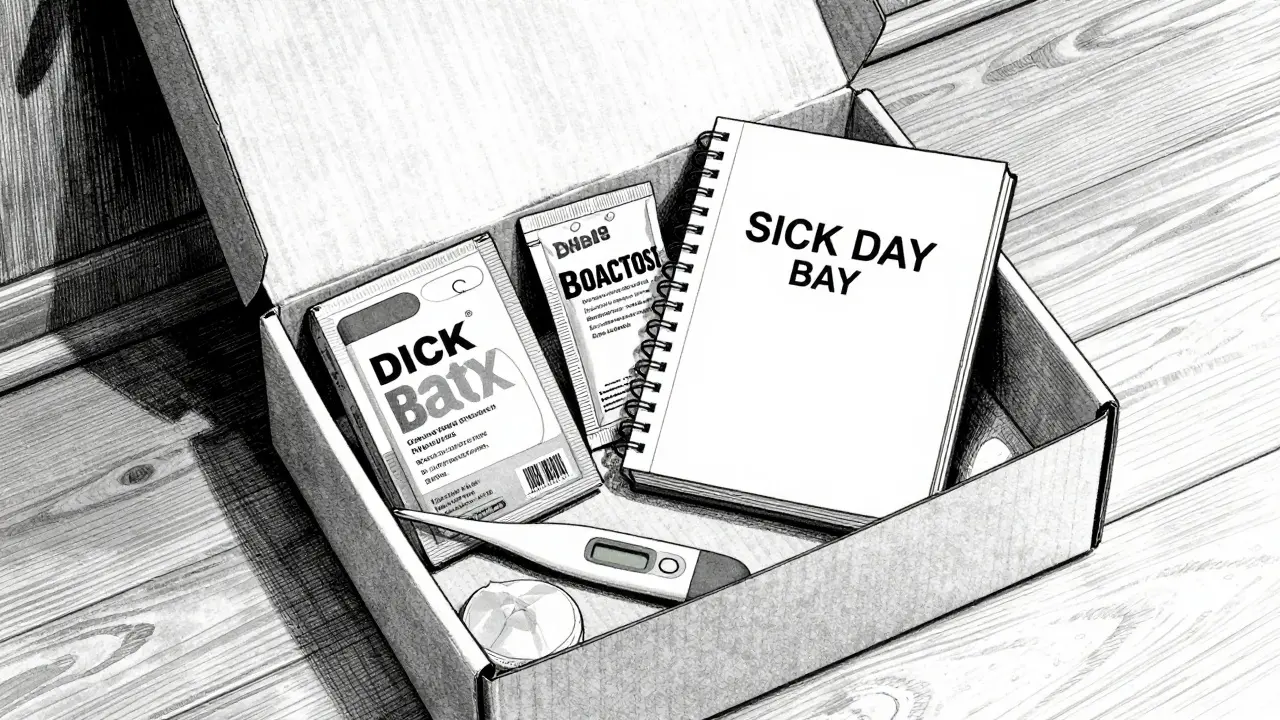
You won't remember your rules when you are dizzy and nauseous. Preparation beats reaction. Put together a "Sick Day Box" before you ever get sick. Include glucose tablets, a thermometer, ketone strips, and a printout of your specific medical instructions. Having a copy of your medication list helps emergency room staff realize why you are stopping certain pills. Make sure your phone has the emergency contact number for your healthcare provider saved as "Doctor 24/7".
When to Seek Medical Help
Some signs require immediate professional intervention regardless of what the guidelines say. Don't play hero. Head to the ER if you cannot keep any fluids down for six hours. Go if you have trouble breathing or your breath smells fruity (a sign of acetone). If your confusion sets in, that is a brain warning signal.
Can I take Metformin if I have a cold but am eating normally?
Generally, yes. Metformin is primarily withheld if you have symptoms affecting kidney function like vomiting, diarrhea, or severe dehydration. A minor cold without GI upset usually doesn't require stopping it, but consult your doctor for personalized advice.
How long do I stop my diabetes meds after being sick?
You should wait until you are well hydrated and eating regular meals for at least 48 hours. Do not restart medications like Metformin or ACE inhibitors unless your kidney function test is back to normal limits.
What should I do if I suspect DKA?
If your blood sugar is persistently over 240 mg/dL and you have positive ketones, seek emergency medical care immediately. DKA is a rapid-onset medical emergency that cannot be treated at home safely without supervision.
Do sick day rules apply to Type 1 and Type 2 diabetes?
Yes, but the focus differs. Type 1 patients prioritize insulin adjustments and ketone monitoring to prevent DKA. Type 2 patients focus heavily on stopping drugs like Metformin or SGLT2 inhibitors to prevent kidney injury.
Is it safe to exercise while sick?
No. Exercise raises blood sugar levels and stresses the body. During illness, your body needs to rest to heal. Save workouts until you are fully recovered and eating normally.


Author
Mike Clayton
As a pharmaceutical expert, I am passionate about researching and developing new medications to improve people's lives. With my extensive knowledge in the field, I enjoy writing articles and sharing insights on various diseases and their treatments. My goal is to educate the public on the importance of understanding the medications they take and how they can contribute to their overall well-being. I am constantly striving to stay up-to-date with the latest advancements in pharmaceuticals and share that knowledge with others. Through my writing, I hope to bridge the gap between science and the general public, making complex topics more accessible and easy to understand.