
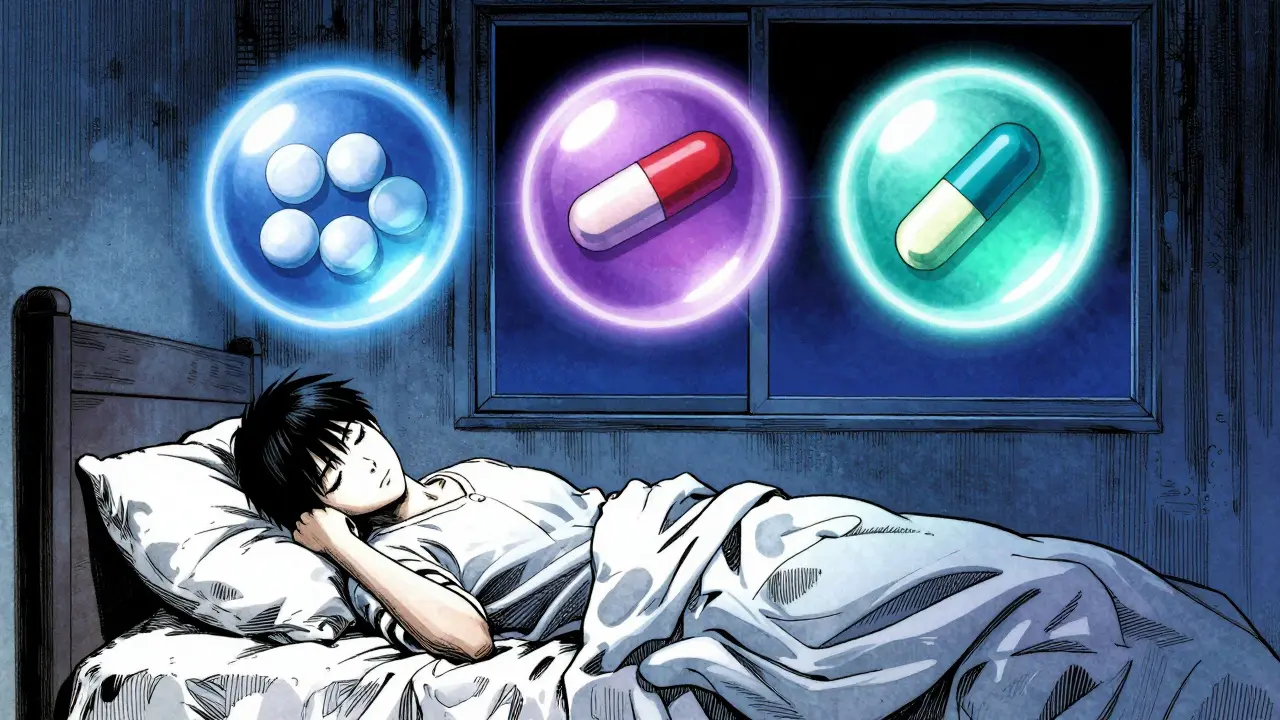
You might think taking a pill to sleep is an easy fix. Maybe you've seen commercials promising restful nights after years of tossing and turning. But behind those promises lies a complex world of chemical balances, dependency risks, and long-term health outcomes that aren't always obvious on the prescription pad. In 2026, millions of people worldwide still turn to pharmaceutical aids when sleep eludes them, yet the conversation around safety is shifting faster than ever before.
This isn't just about counting sheep anymore. It is about understanding the trade-offs between immediate relief and future autonomy over your rest cycle. We need to look past the packaging and examine the science of how these drugs interact with your brain chemistry. Let's break down the reality of what you might find in a doctor's office today.
Understanding the Types of Sleep Meds
When doctors prescribe help for insomnia, they aren't choosing from a single option. There are distinct classes of drugs designed to calm the central nervous system, and knowing the difference is crucial for informed consent. The heavy hitters fall into three main groups, each with its own history and risk profile.
The first category includes Benzodiazepines, which are older sedative-hypnotics. Benzodiazepines enhance GABA neurotransmission to induce sleepiness. Drugs like diazepam and lorazepam have been around since the 1970s. While effective, they carry a higher reputation for causing habituation. Then there are the newer so-called "Z-drugs". These were developed to target specific receptors to minimize next-day drowsiness. You likely know the brand names better than the generic ones-Ambien, Lunesta, Sonata.
| Class | Common Examples | Avg Monthly Cost | Dependence Risk |
|---|---|---|---|
| Benzodiazepines | Diazepam, Alprazolam | $4 - $50 | High (up to 33%) |
| Z-drugs | Zolpidem, Eszopiclone | $10 - $100 | Medium (5-10%) |
| Antidepressants | Trazodone, Doxepin | $4 - $400 | Low-Medium |
Lastly, many physicians prescribe off-label options. Trazodone is frequently prescribed despite being originally designed for depression. It sits lower on the cost scale but comes with unique side effects like dry mouth or morning grogginess. Even over-the-counter options like diphenhydramine fall into the anticholinergic bucket, which brings its own set of warnings for older adults.
The Reality of Dependence and Safety Risks
Safety isn't a static checkbox on a label; it changes depending on how long you use the drug and who you are. For example, data shows that usage rates jump significantly as people age. Around 13% of adults over 80 report using prescription sleep aids recently. But why is this risky? The human body is remarkably adaptable. If you take a sedative every night for weeks, your tolerance builds. This means the same dose stops working as well, creating a cycle where you feel the need to increase the amount to get the same result.
This is where dependence becomes a real issue. Research published in Addiction journals indicates that after four to six weeks of regular benzo use, up to a third of users develop some level of physical dependence. When you stop, the withdrawal isn't just psychological. Your sleep often rebounds worse than before, creating a fear that reinforces continued use. Dr. Nitun Kapoor notes this phenomenon clearly: the rebound insomnia feels like punishment, which keeps patients on the medication longer than medically necessary.
Beyond staying dependent, there are physical dangers. The FDA updated safety warnings in 2019 regarding Z-drugs like zolpidem. Women were specifically targeted with dose reductions because they metabolize the drug slower. Why? Because residual impairment-the feeling of being drugged in the morning-is common. Studies show this "hangover" effect affects about 25% of users. You might feel alert enough to drive, but your motor coordination could be comparable to having a blood alcohol concentration of 0.08%. That is legally drunk in most jurisdictions.
Falls and fractures are another hidden cost, especially for seniors. The Beers Criteria from the American Geriatrics Society lists many sleep meds as potentially inappropriate for older adults. A hip fracture caused by a stumble in the hallway can change life permanently. It's a stark reminder that the goal of sleep medicine shouldn't compromise safety elsewhere.

Does It Actually Work?
We all want sleep, but does a pill deliver quality rest? The short answer is yes, initially. However, the efficacy curve drops steeply over time. Clinical trials comparing Z-drugs and benzodiazepines show that while Z-drugs offer slightly better sleep maintenance (about 23 extra minutes of sleep on average), both classes lose their edge after four weeks. Your brain adjusts, and the benefits plateau while risks remain constant.
User reviews on platforms like Drugs.com tell a nuanced story. Ambien holds a solid rating, but negative comments frequently mention memory gaps. One user reported waking up with no recollection of events, a known risk associated with complex sleep behaviors. This isn't just rare anecdotal evidence; parasomnias like sleepwalking or sleep-driving occur in about half a percent of users according to FDA reports. It sounds small until it happens to someone you love.
Furthermore, the effectiveness varies wildly by individual genetics. Some people respond well to low doses, while others struggle even with maximums. This variability is why the FDA required lower starting doses for certain drugs in 2019-to mitigate the risk of next-morning impairment across the board.
Navigating the Alternatives
If the risks outweigh the benefits for long-term management, what else is out there? The landscape of insomnia treatment has expanded significantly beyond pills. The most robust alternative is Cognitive Behavioral Therapy for Insomnia, widely referred to as CBT-I. Unlike sleeping pills, this is a structured program designed to identify and replace thoughts and behaviors that cause sleep problems. It involves techniques like stimulus control, relaxation training, and sleep restriction.
Why CBT-I stands out:
- Efficacy: Success rates hover between 70-80%, matching or exceeding drugs.
- Duration: Benefits last months or years after the course ends, unlike meds which work only while taken.
- Safety: Zero risk of chemical dependence or drug interactions.
While it requires more effort upfront than swallowing a tablet, the return on investment for sleep health is significant. Digital versions, like the Somryst app approved by the FDA in 2020, are making this accessible via smartphone, bridging the gap between therapy access and traditional clinics.
For those looking for something simpler but less potent than prescription meds, Melatonin remains a popular choice. It is a hormone your body produces naturally to regulate circadian rhythms. Supplementing it can help reset your internal clock, especially for jet lag or shift work. Unlike sedatives, it doesn't force sleep chemically but signals your brain that it is bedtime. However, be wary of dosage. Many store brands sell far higher amounts than physiologically needed.
Other natural approaches include minimizing light exposure late in the day and keeping the bedroom cool and dark. These hygiene practices cost nothing but require discipline. Combining these habits with professional guidance offers a path toward sustainable sleep without pharmacological crutches.

Moving Off the Pill Safely
If you are currently using sleep aids, stopping abruptly is rarely the right move. Cold turkey discontinuation can trigger severe anxiety and insomnia that lasts for weeks. The standard medical protocol involves tapering. Doctors typically recommend reducing the dose by 25% every two weeks. This slow reduction gives your brain time to adjust its chemical production back to baseline levels.
You might experience bumps along the way. During tapering, withdrawal symptoms can mimic the original insomnia. This is normal but terrifying if you aren't prepared. Having a support system or a therapist specializing in sleep health can make the difference between success and relapse. Remember, about 40% of patients need additional support during cessation, so asking for help isn't a sign of weakness.
Documentation matters here too. Not all online pharmacies or over-the-counter products provide comprehensive warnings about long-term dependencies. Prescription labels regulated by the FDA are much clearer on risks. Always prioritize getting information from licensed healthcare providers rather than relying solely on internet forums or package inserts for OTC antihistamines.
Are sleeping pills safe for daily use?
Generally, sleep medications are recommended only for short-term use, typically 2 to 5 weeks. Daily use beyond this period increases the risk of dependence and tolerance, meaning the medication works less effectively over time while side effects persist.
What is the best alternative to sleeping pills?
Cognitive Behavioral Therapy for Insomnia (CBT-I) is considered the gold standard alternative. It addresses the root causes of insomnia through behavioral changes rather than chemical suppression, offering long-term results without dependency risks.
Can sleep meds cause falls in older adults?
Yes, particularly for those over 65. Studies indicate a 50-60% increased risk of falls due to dizziness and impaired balance caused by sedatives. Guidelines often advise avoiding these drugs for seniors entirely.
Is it okay to drink alcohol with sleep aids?
No, mixing alcohol and sleep medication significantly increases overdose risk. Data suggests this combination can increase respiratory depression risk by up to 300%. Always avoid alcohol when taking hypnotic drugs.
How do I stop taking sleep medication safely?
Never stop cold turkey. Consult a doctor for a tapering plan, usually reducing the dose by 25% every two weeks. This process helps manage withdrawal symptoms and prevents rebound insomnia.
Looking Forward to Better Rest
The journey to good sleep doesn't end with a bottle of pills. As we move further into 2026, the medical consensus continues to shift toward personalized care. Treatments are moving away from a "one-size-fits-all" prescription approach toward combinations of behavioral therapy and minimal pharmaceutical intervention when absolutely necessary.
Your sleep is a vital pillar of health, influencing everything from heart function to emotional stability. Treating it requires respect for your body's natural rhythms rather than forcing compliance through chemicals. Whether you choose to taper off existing prescriptions or seek out a non-drug solution, the path forward involves active participation. Understanding the tools available puts you in control of your own rest, ensuring that when you finally drift off, you wake up refreshed and ready.


Author
Mike Clayton
As a pharmaceutical expert, I am passionate about researching and developing new medications to improve people's lives. With my extensive knowledge in the field, I enjoy writing articles and sharing insights on various diseases and their treatments. My goal is to educate the public on the importance of understanding the medications they take and how they can contribute to their overall well-being. I am constantly striving to stay up-to-date with the latest advancements in pharmaceuticals and share that knowledge with others. Through my writing, I hope to bridge the gap between science and the general public, making complex topics more accessible and easy to understand.