
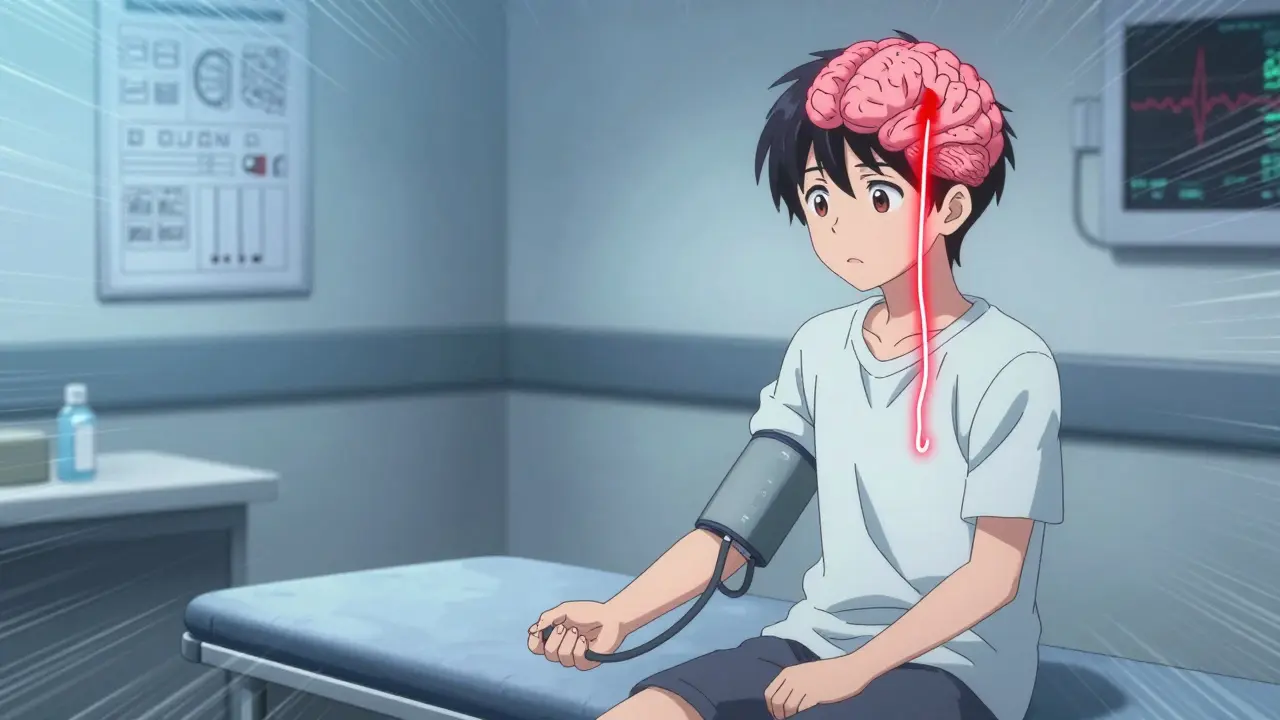
When you start stimulant medication for ADHD, the goal is clear: focus improves, impulsivity drops, and daily life becomes more manageable. But for many families, a quiet worry lingers - what’s this doing to the heart? And why is sleep getting harder even though the medication is supposed to help with focus?
The truth isn’t black and white. Stimulants like methylphenidate (Ritalin, Concerta) and amphetamines (Adderall, Vyvanse) work by boosting dopamine and norepinephrine in the brain. That’s why they help with attention. But those same chemicals also wake up the body - and that’s where side effects come in.
How Stimulants Affect the Heart
Stimulants don’t just fire up the brain. They also nudge the heart and blood vessels into higher gear. Studies show that after weeks or months of use, most people see a small but measurable rise in blood pressure - about 1 to 4 mmHg systolic - and a heart rate increase of 1 to 2 beats per minute. That might sound tiny, but it’s consistent across all major ADHD stimulants, including newer extended-release versions like Mydayis and Adhansia XR.
These changes aren’t just numbers on a chart. Over time, even small increases can add up. A 2024 study tracking over 10,000 people for 14 years found that long-term stimulant use was linked to a 17% higher risk of developing high blood pressure or artery disease. The risk climbed with higher doses and longer use - especially in the first three years. Another 2024 study from the American College of Cardiology found that young adults on stimulants were 17% more likely to develop cardiomyopathy after one year, and 57% more likely after eight years.
But here’s the key: the absolute risk remains very low. For every 1,000 people taking stimulants, only a handful might experience a serious heart issue. The real danger comes from combining these medications with pre-existing conditions - like undiagnosed heart defects, a family history of sudden cardiac death, or known Long QT Syndrome.
It’s also a myth that only stimulants affect the heart. A 2025 study from the University of Southampton found that non-stimulants like atomoxetine and viloxazine raise blood pressure and heart rate just as much. The exception? Guanfacine. It actually lowers both. That’s important to know if you’re weighing options.
Who’s at Higher Risk?
Not everyone needs a full cardiac workup before starting stimulants. But certain red flags mean you should pause and talk to a doctor:
- Personal or family history of sudden cardiac death before age 40
- Known heart rhythm problems like Long QT Syndrome
- Unexplained fainting or dizziness during exercise
- Already diagnosed with high blood pressure or heart disease
- Use of other medications that affect heart rhythm
For these cases, a simple ECG can catch hidden issues. The American Heart Association once pushed for universal ECGs before starting stimulants, but that’s no longer recommended. Why? Because the number of serious events is so low that screening everyone would cause more stress and cost than benefit. Instead, guidelines now focus on asking the right questions: Has anyone in your family died suddenly? Have you ever passed out during sports? Do you get chest pain when you’re active?
Even if you’re healthy, your doctor should check your blood pressure and heart rate before starting medication - and then again every 3 to 6 months after that. It’s not about fear. It’s about awareness.
Sleep Problems: The Hidden Cost of Focus
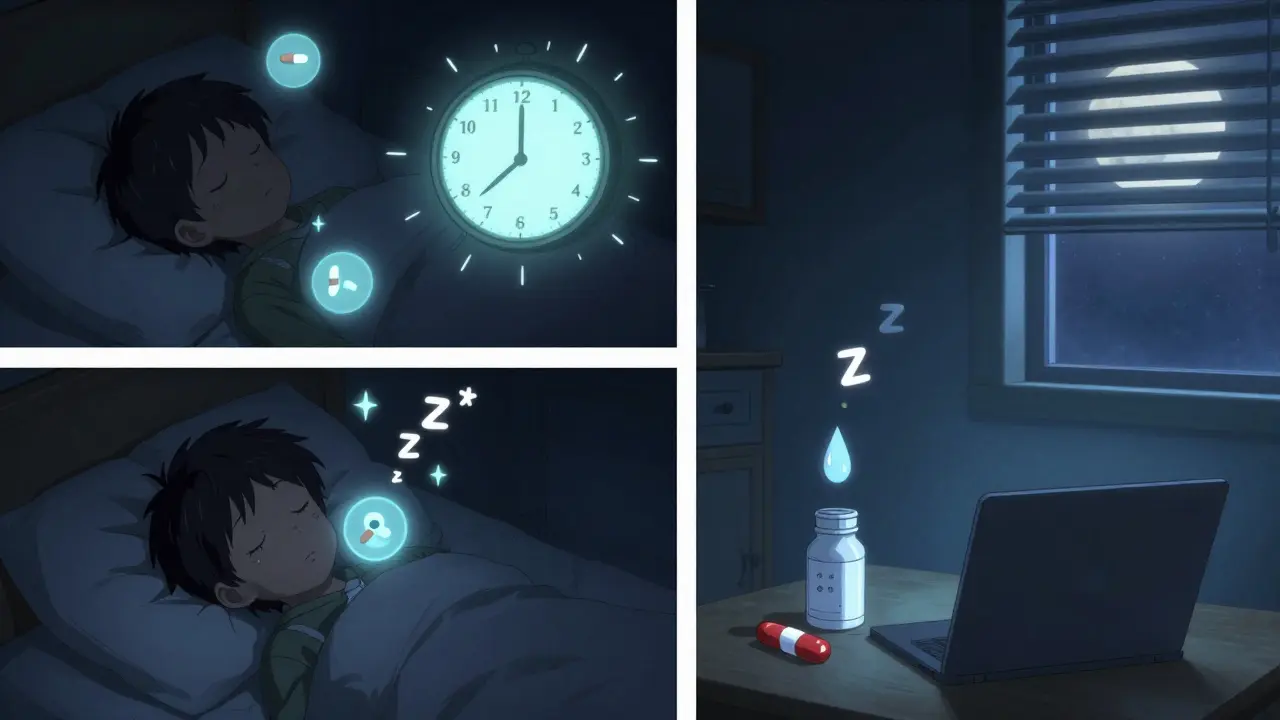
One of the most common complaints from people on stimulants isn’t heart-related - it’s sleep. About 30 to 50% of patients report trouble falling asleep when they first start treatment. That’s not just being “too wired.” Stimulants delay the natural drop in body temperature and cortisol that signals sleep. The result? You lie there, mind quiet but body still buzzing.
Extended-release pills make this worse for some. If you take a 12-hour dose at 7 a.m., the medication might still be active at 7 p.m. - right when your brain should be winding down. That’s why sleep latency (the time it takes to fall asleep) increases by 15 to 30 minutes on average, according to the American Academy of Sleep Medicine.
Here’s what actually helps:
- Take your dose earlier - ideally before noon
- Switch to a short-acting version if you’re on a long-acting one
- Try melatonin - 0.5 to 5 mg, taken 1 to 2 hours before bed - can reset your internal clock
- Keep screens out of the bedroom and stick to a fixed bedtime
And here’s something surprising: non-stimulants like atomoxetine and guanfacine often cause less sleep disruption. In fact, guanfacine can improve sleep quality in some kids because it calms the nervous system. If sleep problems persist after three weeks, it’s not just “adjusting.” It’s a signal to rethink the medication or timing.
What About Non-Stimulants?
If cardiovascular or sleep side effects are too much, you’re not stuck. Non-stimulants are effective alternatives - and they’re not all the same.
Atomoxetine (Strattera) works differently - it targets norepinephrine without directly stimulating the heart. It doesn’t raise blood pressure as much as stimulants, and it’s less likely to cause insomnia. But it can make you feel tired or nauseous at first.
Guanfacine (Intuniv) and clonidine (Kapvay) are alpha-2 agonists. They calm the nervous system. That means lower blood pressure, slower heart rate, and often better sleep. They’re not as fast-acting as stimulants, but they’re great for people with anxiety, tics, or sleep issues alongside ADHD.
The 2025 University of Southampton study showed that the cardiovascular effects of atomoxetine and viloxazine were nearly identical to stimulants. So if you’re switching just to avoid heart risks, you might not get the relief you expect. But if you’re switching because of sleep, mood, or side effect tolerance - then yes, non-stimulants can be a better fit.
How to Stay Safe While Getting Help
Here’s a simple, practical plan:
- Baseline check: Before starting any ADHD medication, get your blood pressure and heart rate recorded. Mention any family history of heart problems.
- Start low: Begin with the lowest effective dose. For methylphenidate, that’s often 5 mg. Increase slowly - 5 to 10 mg every week - while watching for side effects.
- Monitor monthly: Keep a log of your heart rate and blood pressure at home if you can. Use a reliable cuff, take readings in the morning before medication.
- Track sleep: Note how long it takes to fall asleep, how many times you wake up, and how rested you feel. If it’s worse after 3 weeks, talk to your doctor.
- Reassess every 6 months: Is the medication still helping? Are side effects worse? Is your sleep improving? Adjustments aren’t failure - they’re part of treatment.
Many parents worry that their child will be on stimulants forever. But that’s not always true. Some kids outgrow symptoms. Others find they can manage with behavioral strategies once they’re older. The goal isn’t lifelong medication - it’s better functioning, and that includes protecting your heart and your sleep.
Why This Matters Now
ADHD prescriptions in the U.S. jumped from 35 million in 2012 to over 72 million in 2022. That’s a 106% increase. More people are being treated - and more are living with the long-term effects. That’s why the FDA now requires all new ADHD drugs to include long-term cardiovascular safety data.
But here’s the bottom line: untreated ADHD carries its own risks. Poor academic performance, job loss, car accidents, substance abuse, and depression are all more common without treatment. The number needed to harm for serious heart events from stimulants is over 1,000. The number needed to benefit for improved focus, relationships, and self-esteem? Far lower.
Stimulants aren’t perfect. But they’re not dangerous for most people - if you’re paying attention. The real risk isn’t the pill. It’s ignoring the signals your body sends.
Ask your doctor: What’s my baseline? What signs should I watch for? What if sleep doesn’t improve? Don’t wait until something goes wrong. A quick check, a simple adjustment, or a switch to a different medication can make all the difference.
Do ADHD stimulants cause heart attacks?
Heart attacks from ADHD stimulants are extremely rare. Studies show a slight increase in risk for people with pre-existing heart conditions, especially in the first few weeks of treatment. For healthy individuals, the absolute risk is less than 1 in 1,000 per year. The benefits of improved focus and function far outweigh this minimal risk for most patients.
Can I take ADHD meds if I have high blood pressure?
Yes - but you need careful management. If you have uncontrolled high blood pressure, stimulants may not be the best first choice. Your doctor might start you on a non-stimulant like guanfacine or atomoxetine, or add an antihypertensive medication. Regular monitoring is essential. Many people with well-controlled hypertension do well on stimulants with close follow-up.
Why does my child have trouble sleeping even after taking ADHD meds in the morning?
Extended-release stimulants can last 10 to 14 hours. If taken at 7 a.m., they may still be active at 9 p.m., interfering with sleep onset. Try switching to a shorter-acting version taken earlier, or add melatonin 1 to 2 hours before bed. Avoid screens and caffeine after lunch. Sleep issues often improve after 2 to 4 weeks, but if they persist, talk to your doctor about adjusting timing or switching medications.
Are non-stimulants safer for the heart?
Not always. Atomoxetine and viloxazine raise blood pressure and heart rate about as much as stimulants. Guanfacine and clonidine are exceptions - they lower both. So if heart safety is the main concern, guanfacine is often the best non-stimulant option. But if sleep is the issue, atomoxetine may be better than stimulants. The safest choice depends on your specific symptoms and medical history.
Should I get an ECG before starting ADHD medication?
Routine ECGs aren’t recommended for everyone. But if you or your child have a family history of sudden cardiac death, fainting spells, known heart rhythm disorders, or unexplained chest pain, an ECG is a smart precaution. For most healthy individuals, a detailed medical history and basic vital signs are enough. The American Academy of Pediatrics and American Academy of Neurology both agree: targeted screening beats universal testing.
What Comes Next?
If you’re on stimulants and feeling good - keep going. But don’t ignore the small signs. A consistently elevated heart rate. Trouble falling asleep. Feeling jittery after lunch. These aren’t just side effects - they’re data points.
Keep a simple log: date, dose, morning BP/HR, sleep time, mood. Bring it to your next appointment. You’re not just a patient. You’re the most important part of the treatment team.
ADHD meds aren’t magic. But when used wisely - with awareness, monitoring, and open communication - they can change lives. And protecting your heart and sleep isn’t a compromise. It’s part of the plan.


Author
Mike Clayton
As a pharmaceutical expert, I am passionate about researching and developing new medications to improve people's lives. With my extensive knowledge in the field, I enjoy writing articles and sharing insights on various diseases and their treatments. My goal is to educate the public on the importance of understanding the medications they take and how they can contribute to their overall well-being. I am constantly striving to stay up-to-date with the latest advancements in pharmaceuticals and share that knowledge with others. Through my writing, I hope to bridge the gap between science and the general public, making complex topics more accessible and easy to understand.