
Creatinine Clearance: What It Means for Your Kidneys and Medication Safety
When your doctor talks about creatinine clearance, a measure of how well your kidneys remove creatinine from your blood, which reflects overall kidney filtering ability. It's not just a lab number—it directly affects whether your meds work safely or cause harm. Many people think kidneys only handle pee, but they’re also the main system that clears drugs from your body. If your kidneys aren’t filtering well, even normal doses of common drugs can build up and make you sick.
Renal impairment, a decline in kidney function that changes how drugs are processed is one of the most common reasons for dangerous drug reactions, especially in older adults. Drugs like metformin, antibiotics such as ciprofloxacin, and even painkillers like ibuprofen need dose adjustments based on creatinine clearance. For example, if your clearance drops below 30 mL/min, your doctor might stop metformin entirely to avoid lactic acidosis. Or if you’re on warfarin and your kidneys aren’t working right, your INR can swing unpredictably—even without eating more leafy greens.
Drug dosing, the precise amount of medication prescribed based on individual factors like kidney function isn’t one-size-fits-all. A 70-year-old with diabetes and high blood pressure might have the same creatinine level as a healthy 30-year-old, but their kidneys are working at half speed. That’s why a standard statin dose could cause muscle damage in one person but be perfectly safe in another. Your creatinine clearance helps your doctor avoid underdosing (which doesn’t treat the problem) or overdosing (which causes side effects).
It’s not just about blood tests. Creatinine clearance is calculated using your age, weight, sex, and serum creatinine level—often using the Cockcroft-Gault formula. But labs don’t always report it. If you’re on multiple meds, especially for chronic conditions like heart failure or diabetes, ask for your clearance number. Don’t assume it’s fine just because your creatinine is "normal." Kidney function drops slowly over time, and you won’t feel it until it’s serious.
What you’ll find in these articles isn’t theory—it’s real-world stuff. You’ll learn how antibiotics like fluoroquinolones can cause confusion in older adults with low kidney function, why metformin and contrast dye need careful timing, and how even common drugs like statins can turn risky if your kidneys slow down. You’ll see how drug-disease interactions aren’t just textbook warnings—they’re daily decisions that keep people out of the hospital. Whether you’re managing diabetes, high blood pressure, or just taking a few pills every day, understanding creatinine clearance helps you ask the right questions and stay safe.
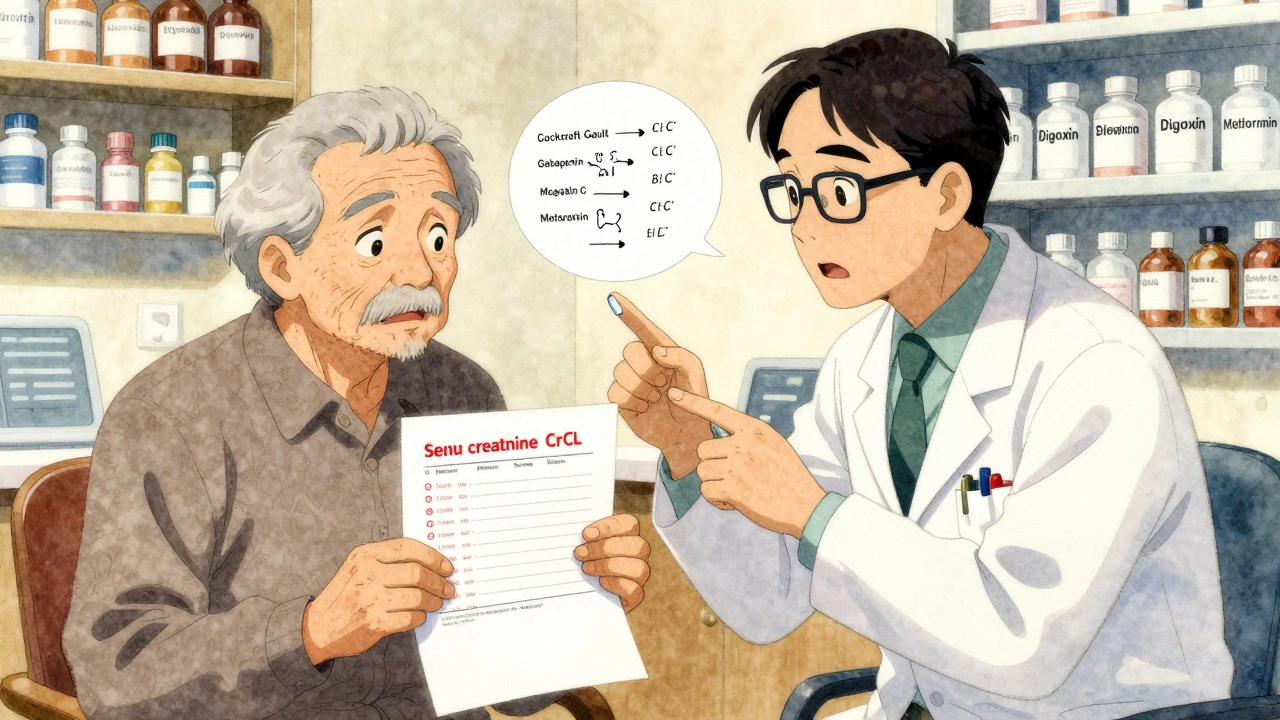
Elderly Renal Impairment: How to Adjust Medication Dosing to Avoid Toxicity
Dec 1, 2025, Posted by Mike Clayton
Elderly patients with kidney impairment are at high risk of medication toxicity. Learn how to adjust doses using creatinine clearance, which drugs are most dangerous, and how to prevent harmful side effects in older adults.
MORESEARCH HERE
Categories
TAGS
- treatment
- online pharmacy
- dietary supplement
- side effects
- medication safety
- generic drugs
- medication adherence
- health
- dietary supplements
- health benefits
- online pharmacy Australia
- generic substitution
- adverse drug reactions
- thyroid disorders
- gabapentin
- treatment option
- calcipotriol
- blood pressure
- erectile dysfunction
- closer look