

Aspirin for Primary Prevention: Who Should Skip Daily Doses
For years, taking a daily low-dose aspirin was like brushing your teeth - something you did without thinking, just to stay healthy. Millions of people, especially those over 50, popped a pill every morning believing it would protect their heart. But the science has changed. Aspirin isn’t the universal shield it once seemed to be. In fact, for many people, it now does more harm than good.
The shift didn’t happen overnight. Landmark studies like the ASPREE trial and updated guidelines from the U.S. Preventive Services Task Force (USPSTF) in 2022 flipped the script. They showed that for most adults without existing heart disease, the risk of serious bleeding - especially in the stomach or brain - outweighs the tiny chance of preventing a first heart attack or stroke. The numbers aren’t dramatic, but they’re clear: for every 1,000 people taking aspirin daily over 10 years, about 1.6 extra major bleeding events occur, while only 0.9 heart attacks are prevented. That’s not a win. It’s a loss.
Who Was Aspirin Meant For?
Aspirin was never meant for everyone. Its original promise was for primary prevention - stopping a first cardiovascular event in someone with no history of heart attack, stroke, or blocked arteries. Back in the 1990s, that meant almost anyone over 50 with even mild risk factors: high blood pressure, high cholesterol, or a family history. But today, we know better. The real targets were always a small group: people with a 10-year risk of heart disease of 10% or higher, and no signs of bleeding problems.
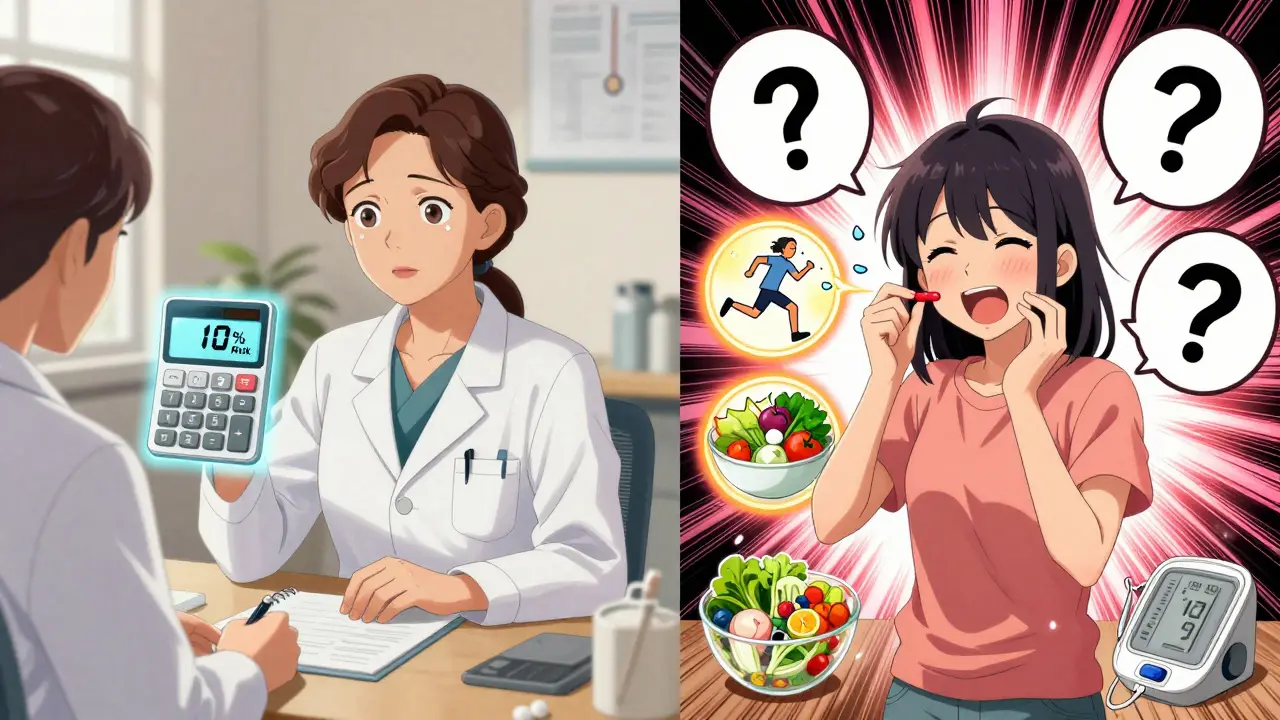
To figure out if you’re in that group, doctors use tools like the Pooled Cohort Equations. These calculators crunch your age, sex, race, blood pressure, cholesterol levels, diabetes status, and smoking habits. If your score hits 10% or above, aspirin might be worth discussing. But even then, it’s not automatic. You also have to ask: do I have a history of stomach ulcers? Am I on blood thinners like warfarin or apixaban? Do I take ibuprofen or naproxen regularly? These are red flags.
And here’s the catch: if you’re over 60, the guidelines are clear. The USPSTF now says do not start aspirin for primary prevention if you’re 60 or older. The American College of Cardiology and American Heart Association agree. The European Society of Cardiology says don’t use it at all for primary prevention, no matter your age. This isn’t a gray area anymore. It’s a firm line.
Why the Big Change?
It’s not that aspirin stopped working. It’s that we finally understood how dangerous it can be. Aspirin thins your blood by blocking platelets. That’s good if you’re trying to stop a clot. But it’s bad if you bump your head, develop a stomach ulcer, or have high blood pressure that causes tiny vessels in the brain to burst.
Studies show aspirin increases your risk of major gastrointestinal bleeding by 43%. That means vomiting blood, black stools, or needing a hospital transfusion. It raises your risk of brain bleeds by 38%. These aren’t rare side effects. They’re serious, life-threatening events. And they get worse as you age. A 70-year-old has a much higher chance of bleeding than a 45-year-old - even if both have the same cholesterol levels.
There’s also the issue of false confidence. People think, “I’m taking aspirin, so I’m protected.” So they skip exercise, eat more processed food, ignore their blood pressure. That’s dangerous. Aspirin isn’t a magic bullet. It’s a tool - and only useful when paired with real lifestyle changes. If you’re not controlling your blood pressure, quitting smoking, or managing your weight, aspirin won’t save you. It might just make you bleed.
Who Should Definitely Skip It
Here’s who should not take daily aspirin for heart protection - no exceptions:
- Anyone 60 or older without known heart disease. The bleeding risk is too high, and the benefit is too low.
- People with a history of stomach ulcers or GI bleeding. Even one past episode makes aspirin risky.
- Those on anticoagulants like warfarin, rivaroxaban, or apixaban. Combining these with aspirin doubles or triples bleeding risk.
- People who regularly take NSAIDs like ibuprofen or naproxen. These drugs irritate the stomach lining. Add aspirin, and you’re asking for trouble.
- Anyone with uncontrolled high blood pressure. Blood pressure above 160/100 mm Hg increases the chance of brain bleeds.
- People with liver or kidney disease. These conditions affect how your body processes aspirin and clears it from your system.
- Those allergic to aspirin or with asthma triggered by NSAIDs. This isn’t a mild reaction - it can be life-threatening.
Even if you’re under 60 and have a 10% CVD risk, you still need to weigh the risks. If you have one or more of the above conditions, skip it. The math doesn’t add up.
Who Might Still Benefit
There’s a small group where aspirin might still make sense - but only after deep discussion with a doctor.
Adults aged 40 to 59 with a 10% or higher 10-year risk of heart disease - and no bleeding risk factors - might consider it. But even then, it’s not a yes or no. It’s a conversation. Your doctor should check your coronary calcium score (CAC). If your score is over 100, especially over 300, your risk is much higher than your cholesterol numbers suggest. In these cases, some cardiologists still recommend aspirin, even if guidelines say “maybe.”
People with type 2 diabetes and a 15% or higher 10-year ASCVD risk may also be candidates. A 2025 guideline update says aspirin “may be considered” in this group, but only if bleeding risk is low. And if you have a genetic marker like high Lp(a) - above 50 mg/dL - some experts believe aspirin could help, though this is still being studied.
The key? No one should start aspirin on their own. No one should keep taking it just because “they always have.” If you’re in this group, your doctor needs to run the numbers, talk about your fears, and document the decision. Shared decision-making isn’t a buzzword - it’s the law now.
What About People Already Taking It?
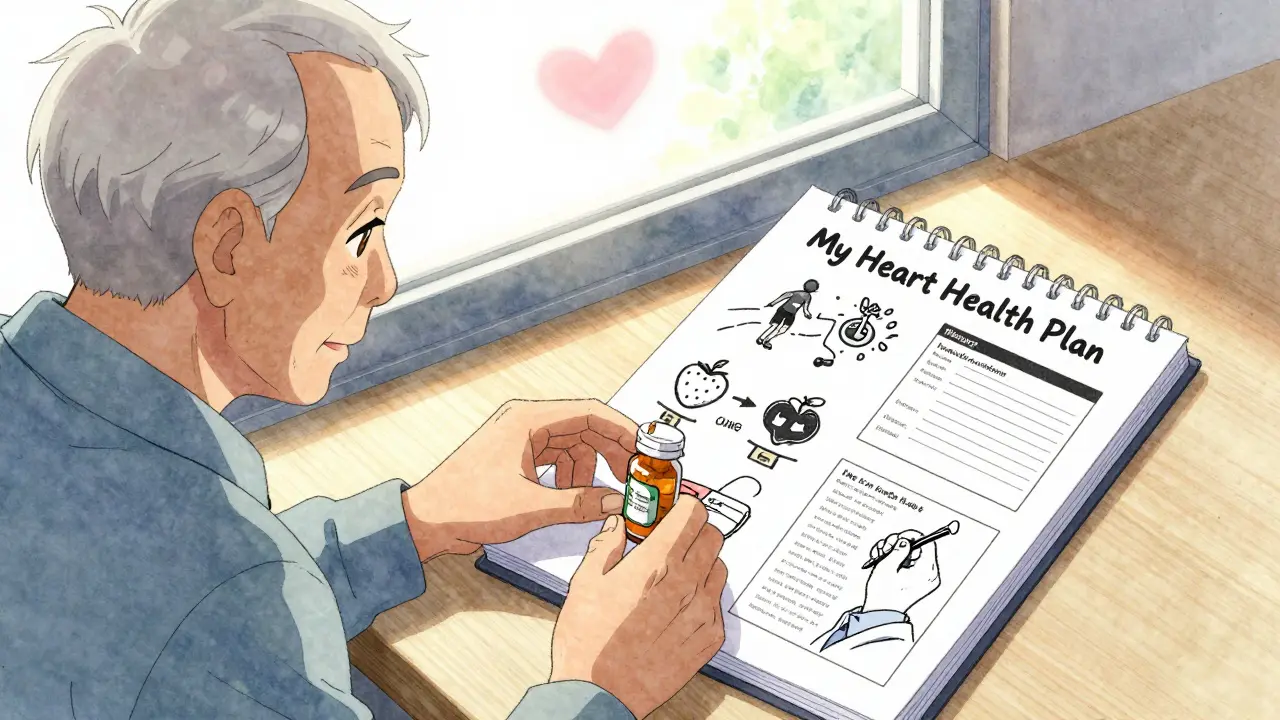
Many people over 60 are still on aspirin. Why? Fear. They’re scared to stop. They think, “What if I have a heart attack tomorrow?” But here’s the truth: if you’re over 60 and have never had a heart attack or stroke, stopping aspirin doesn’t suddenly make you vulnerable. Your risk doesn’t spike. You don’t lose protection.
One study found that 41% of adults 60+ continued aspirin even after guidelines changed - mostly because their doctor never brought it up. Another found that 57% of patients felt confused because different doctors gave conflicting advice. That’s the real problem: inconsistent messaging.
If you’re already taking aspirin and are over 60, don’t quit cold turkey. Talk to your doctor. They can help you taper off safely if needed. If you’re under 60 and have no risk factors, ask: “Is this still right for me?” Many people have been taking it for 15 years without ever having their risk reassessed. That’s outdated care.
The Bottom Line
Aspirin for primary prevention is no longer a one-size-fits-all solution. It’s a targeted tool - and for most people, it’s the wrong tool. The era of blanket recommendations is over. We’re in the age of precision medicine.
If you’re under 40, don’t take it. If you’re 40-59, only consider it if your 10-year heart disease risk is 10% or higher AND you have zero bleeding risks. If you’re 60 or older, don’t start it. If you’re already on it, talk to your doctor about stopping. Don’t wait for a bleed to happen before you question it.
Heart health isn’t about pills. It’s about movement, food, sleep, stress, and regular checkups. Aspirin was never meant to replace those. It was supposed to be a backup. Now, for most, it’s not even that.
Frequently Asked Questions
Can I take aspirin if I have high cholesterol but no other heart disease?
High cholesterol alone isn’t enough to justify daily aspirin. You need a 10-year risk of heart disease of at least 10%, calculated using your age, blood pressure, smoking status, and diabetes. Many people with high cholesterol have low overall risk. If you’re under 60 and your risk is below 10%, aspirin won’t help - and could hurt.
Is enteric-coated aspirin safer for my stomach?
No. Enteric-coated aspirin doesn’t reduce the risk of serious bleeding. It may ease mild stomach upset, but it doesn’t prevent ulcers or GI bleeds. The bleeding risk comes from how aspirin affects platelets - not from how it’s absorbed. If you’re at risk for bleeding, no form of aspirin is safe for daily use in primary prevention.
What if my doctor still recommends aspirin even though I’m over 60?
Ask why. Some cardiologists still recommend it for patients with very high coronary calcium scores (over 300) or genetic risks like elevated Lp(a). But this is off-label use. Make sure your doctor has reviewed your bleeding risk, documented the decision, and explained the trade-offs. If they’re just following habit, it’s time to push back.
Can I take aspirin occasionally for headaches instead of daily?
Yes. Occasional use - like one or two pills a month for a headache - doesn’t carry the same bleeding risk as daily use. The danger comes from constant platelet suppression. If you only take it when you need it, you’re not in the primary prevention group. You’re just treating pain.
Are there alternatives to aspirin for preventing first heart attacks?
Yes - and they’re better. Statins lower LDL cholesterol and reduce inflammation, cutting heart attack risk by 25-30%. Blood pressure control reduces stroke risk by 40%. Quitting smoking cuts heart disease risk by half within a year. Regular exercise and a plant-rich diet do more than aspirin ever could. Aspirin is a band-aid. These are the cure.
Should I get a coronary calcium scan before deciding on aspirin?
If you’re 40-59 and unsure about your risk, yes. A coronary calcium score tells you how much plaque is in your arteries - more accurately than cholesterol numbers. A score of zero means very low risk. A score over 100 means you’re at higher risk than your numbers suggest. This can help you and your doctor decide if aspirin is worth the risk.


Author
Mike Clayton
As a pharmaceutical expert, I am passionate about researching and developing new medications to improve people's lives. With my extensive knowledge in the field, I enjoy writing articles and sharing insights on various diseases and their treatments. My goal is to educate the public on the importance of understanding the medications they take and how they can contribute to their overall well-being. I am constantly striving to stay up-to-date with the latest advancements in pharmaceuticals and share that knowledge with others. Through my writing, I hope to bridge the gap between science and the general public, making complex topics more accessible and easy to understand.