
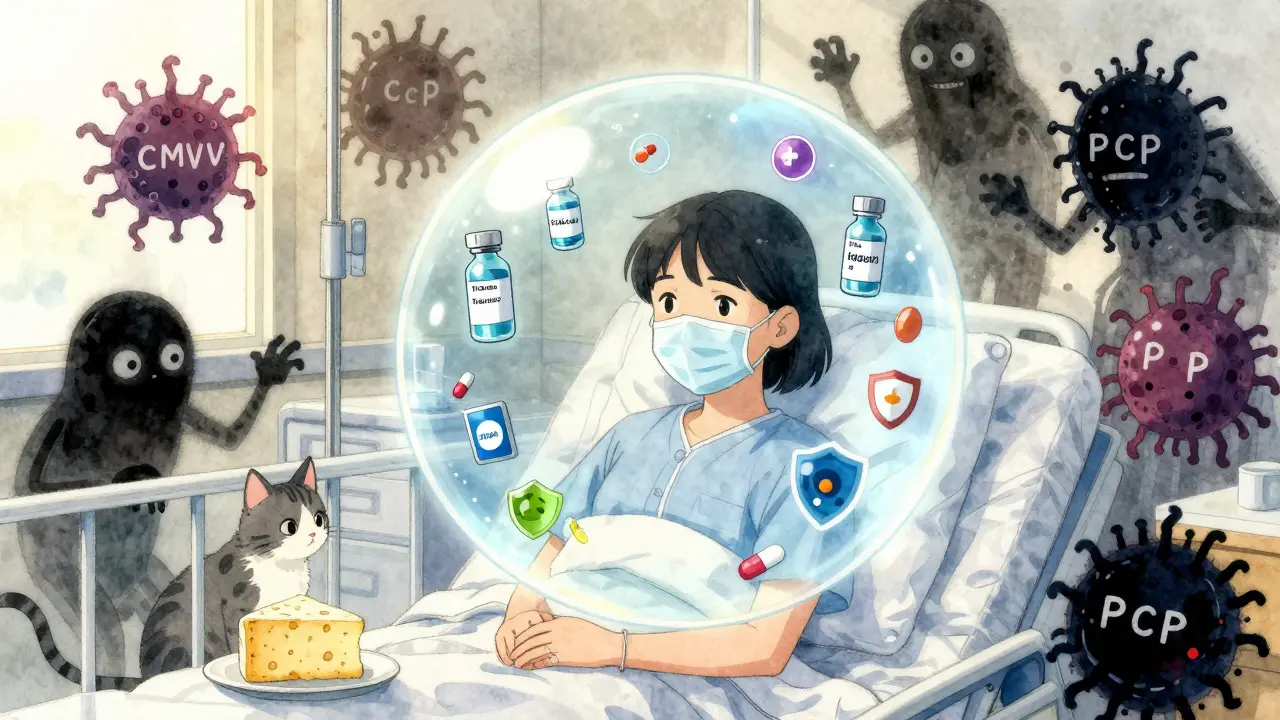
After a kidney transplant, the biggest threat isn’t always rejection-it’s infection. The very drugs that keep your new kidney safe also leave you wide open to bacteria, viruses, and fungi that a healthy immune system would shrug off. In fact, post-transplant infections are one of the leading causes of hospitalization and death in the first year after surgery. But here’s the good news: with the right strategy, most of these infections can be avoided.
Why Infections Happen After a Transplant
Your immune system was designed to protect you. After a transplant, doctors intentionally weaken it. That’s because your body sees the new kidney as a foreign invader and tries to attack it. Immunosuppressants like tacrolimus and mycophenolate stop that attack-but they also shut down your body’s ability to fight off germs. This isn’t just about catching a cold. Infections after transplant can be deadly. Common culprits include cytomegalovirus (CMV), Pneumocystis jirovecii pneumonia (PCP), and multidrug-resistant bacteria like ESBL-producing E. coli. Even something as simple as a pet cat or a slice of brie cheese can become dangerous. The risk isn’t the same for everyone. It depends on your age, where you live, what kind of transplant you had, and whether your donor had infections you didn’t. A donor who had CMV and a recipient who never did? That’s a high-risk combo. Your medical team uses this info to build your personal infection prevention plan.Vaccines: Timing Is Everything
Vaccines are your first line of defense-but not all of them are safe after transplant. Live vaccines, like the ones for measles, mumps, rubella (MMR), or chickenpox (varicella), contain weakened versions of the virus. Your suppressed immune system can’t handle them. That’s why these shots must be given before transplant, if possible. After transplant, you can get inactivated vaccines. These include:- Flu shot (injectable, not nasal spray)
- Pneumococcal vaccine (Prevnar 13 and Pneumovax 23)
- Tdap (tetanus, diphtheria, pertussis)
- Hepatitis B
- COVID-19 boosters
Preventive Medicines: The Daily Shields
You won’t just rely on vaccines. You’ll take daily pills to block infections before they start. These aren’t optional. Skipping them increases your chance of serious illness. For CMV: If you’re at high risk (donor positive, recipient negative), you’ll take valganciclovir for 3 to 6 months. This drug stops the virus from multiplying. Monitoring with monthly blood tests checks for early signs of CMV DNA-this is called preemptive therapy. If levels rise, treatment starts immediately. For PCP: Trimethoprim-sulfamethoxazole (Bactrim or Septra) is the go-to. You’ll take it daily for 6 to 12 months. If you’re allergic, alternatives like dapsone or atovaquone are used. For herpes viruses: Acyclovir or valacyclovir are given for the first 1 to 3 months to prevent cold sores or shingles outbreaks. For fungi: In high-risk cases, especially after stem cell transplants, antifungals like fluconazole or posaconazole may be used for months. These meds aren’t forever. After 6 to 12 months, your immune system slowly rebuilds. Your doctor will decide when to stop based on your blood tests and overall health.
Living Safely: Food, Pets, and Daily Habits
Medicines and vaccines help-but your choices at home matter just as much. Food safety: Avoid raw or undercooked meat, sushi, unpasteurized milk, and soft cheeses like brie, camembert, or blue cheese. Listeria from these foods can cause brain infections. Wash all fruits and vegetables. Cook eggs until the yolks are firm. Use separate cutting boards for raw meat. Pets: Pets bring comfort, but they’re not risk-free. Avoid cleaning litter boxes (toxoplasmosis from cat poop) or bird cages (cryptococcus from droppings). If you have a dog, wash your hands after petting. Don’t let animals lick your face or open wounds. Reptiles and amphibians? Skip them-they carry salmonella. Hand hygiene: Wash hands with soap and water for 20 seconds before eating, after using the bathroom, and after being around sick people. Use alcohol-based hand sanitizer when soap isn’t available. Masking: During flu season or if there’s a local outbreak of RSV or COVID, wear a mask in crowded places like grocery stores or public transit. Don’t wait until you’re sick to protect yourself. Environment: If you live in the Ohio River Valley or the Southwest U.S., soil can carry histoplasmosis. Avoid gardening, digging, or cleaning up bird droppings. If you must, wear a mask and gloves.Monitoring: Catching Infections Before They Spread
You can’t wait for symptoms. By the time you feel feverish or tired, the infection may already be serious. Regular monitoring catches problems early. CMV: Monthly blood tests check for viral DNA. If it’s rising, treatment starts before you even feel sick. Fungal infections: Blood tests for beta-D-glucan and galactomannan detect fungal proteins before symptoms appear. This is critical for spotting invasive aspergillosis. Drug-resistant bacteria: If you’ve been hospitalized or had antibiotics before transplant, your doctor may test your stool or skin for resistant germs like MRSA or ESBL. If found, you’ll get special cleaning protocols and possibly decolonization treatments. Central lines: If you have a port or PICC line, daily chlorhexidine baths and strict sterile technique reduce bloodstream infections. Nurses change dressings every 5-7 days. Never touch the hub unless you’ve washed your hands. Keep a symptom journal. Note fevers, new coughs, diarrhea, skin rashes, or unusual fatigue. Even small changes matter.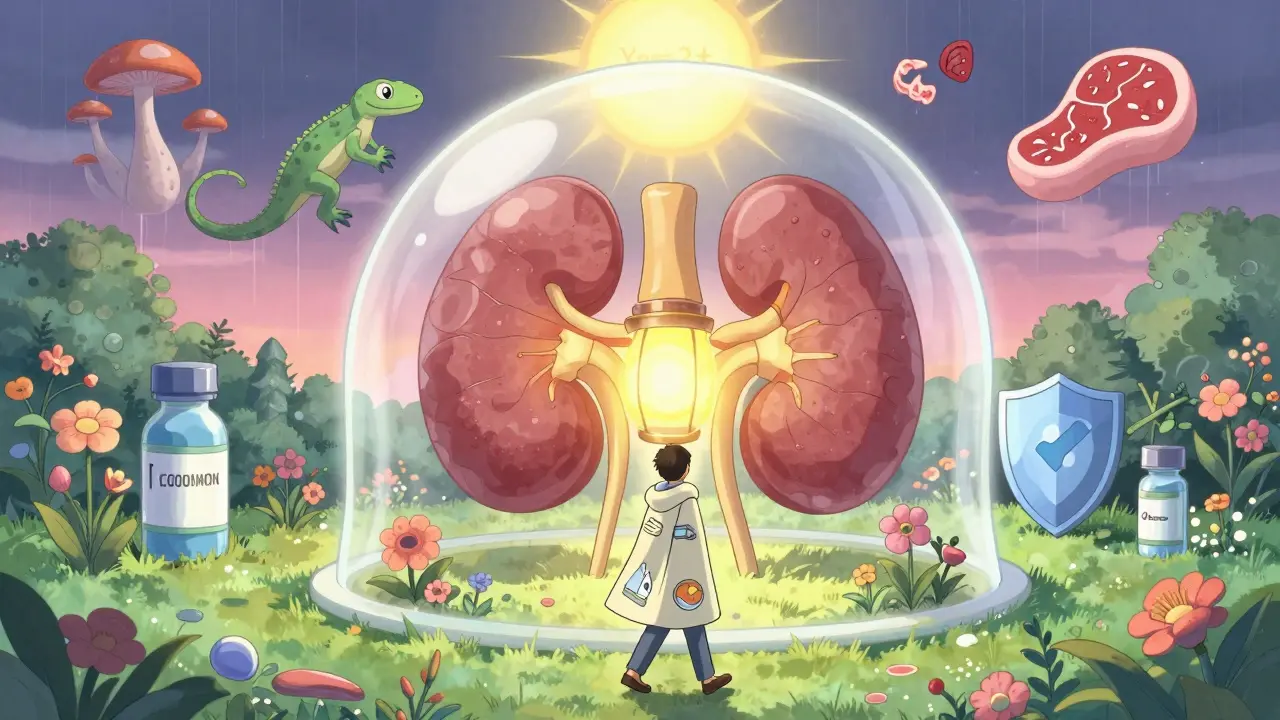
The Future: New Tools on the Horizon
Science is catching up. Researchers are testing new ways to fight infections without overloading your body with drugs. CMV vaccines: Several are in clinical trials. If approved, they could replace lifelong antivirals. Fecal microbiota transplants (FMT): This isn’t just for C. diff anymore. Early studies show FMT can reduce colonization by drug-resistant bacteria in transplant patients by restoring healthy gut flora. Letermovir: Already approved for stem cell transplant patients, this drug blocks CMV replication with fewer side effects than ganciclovir. It’s being studied for kidney transplant recipients too. Personalized immunosuppression: New tests measure your immune response in real time. Doctors may soon adjust your anti-rejection drugs based on your infection risk-not just your kidney function.What Happens After the First Year?
Many patients think infection risk drops after 6 months. It does-but not completely. Late infections still happen. CMV can flare up months after stopping antivirals. You’re still at higher risk for pneumonia, urinary tract infections, and skin infections. Stay on top of your checkups. Keep getting flu shots. Keep washing your hands. Keep avoiding risky foods. Your transplant team will keep adjusting your plan as your immune system changes. You’re not just surviving-you’re rebuilding. And every small choice you make now helps protect your new kidney for decades to come.Can I get the flu shot after a kidney transplant?
Yes, but only the inactivated flu shot (injected), not the nasal spray. Wait at least 6 months after transplant before getting it. Make sure everyone in your household is also vaccinated to reduce your exposure.
Is it safe to have pets after a kidney transplant?
Yes, but with caution. Avoid reptiles, amphibians, and birds. Don’t clean litter boxes or bird cages. Wash your hands after petting animals. Don’t let pets lick your face or open wounds. Pets can provide emotional support, but they carry germs that can be dangerous to you.
Why do I need to take antiviral pills after my transplant?
You take antivirals like valganciclovir to prevent cytomegalovirus (CMV) infection, which can cause serious illness and even lead to kidney rejection. CMV is common, but your weakened immune system can’t fight it off. Prophylaxis lowers your risk by up to 80% in high-risk patients.
What foods should I avoid after a kidney transplant?
Avoid raw or undercooked meat, sushi, unpasteurized dairy (like brie or blue cheese), raw eggs, and unwashed produce. These can carry Listeria, Salmonella, or Toxoplasma-all dangerous to transplant patients. Cook food thoroughly and wash hands and surfaces after handling raw items.
How often do I need blood tests after my transplant?
In the first 3 to 6 months, you’ll likely have blood tests every 1 to 2 weeks to check kidney function, drug levels, and infection markers like CMV DNA. After 6 months, testing usually drops to monthly or every other month, depending on your stability and risk level.
Can I travel after a kidney transplant?
Yes, but plan carefully. Avoid areas with poor sanitation or outbreaks of diseases like dengue or malaria. Carry extra medication, bring clean water, and avoid raw food. Talk to your transplant team before booking trips, especially if going overseas.
What should I do if I get a fever after transplant?
Call your transplant team immediately. A fever could be a sign of infection, rejection, or drug reaction. Don’t wait to see if it goes away. Even a low-grade fever (above 100.4°F) needs urgent evaluation. Don’t take fever reducers without checking with your doctor first.
Next Steps: What to Do Today
If you’ve had a transplant:- Review your vaccination record with your doctor-make sure you’re up to date.
- Write down your infection prevention plan: which meds you take, which foods to avoid, who to call if you feel off.
- Ask your team about your CMV risk status and whether you’re on prophylaxis.
- Set monthly reminders for blood tests and checkups.
- Teach someone close to you how to recognize early signs of infection.
- Get all recommended vaccines now-before surgery.
- Start practicing food safety and hand hygiene.
- Discuss your living environment with your transplant team-especially if you live in a high-risk area for fungi.


Author
Mike Clayton
As a pharmaceutical expert, I am passionate about researching and developing new medications to improve people's lives. With my extensive knowledge in the field, I enjoy writing articles and sharing insights on various diseases and their treatments. My goal is to educate the public on the importance of understanding the medications they take and how they can contribute to their overall well-being. I am constantly striving to stay up-to-date with the latest advancements in pharmaceuticals and share that knowledge with others. Through my writing, I hope to bridge the gap between science and the general public, making complex topics more accessible and easy to understand.