
Kidney Function: How Your Kidneys Impact Medication Safety and Health
When your kidney function, the ability of your kidneys to filter waste and balance fluids and electrolytes in your body. Also known as renal function, it's not just about peeing—it’s the silent gatekeeper for nearly every medication you take. If your kidneys aren’t working well, drugs can build up in your system, turning safe doses into dangerous ones. This isn’t theory—it’s why doctors check kidney function before giving you metformin, contrast dye, or even common antibiotics.
Your kidneys don’t just clean your blood; they decide how fast drugs leave your body. When kidney function drops, even simple meds like ibuprofen or lisinopril can become risky. That’s why people with diabetes or high blood pressure need regular kidney tests—these conditions quietly damage kidneys over time, and the damage changes how your body handles medicine. For example, metformin, a common diabetes drug that relies on kidney clearance to avoid lactic acidosis is held before CT scans with contrast dye, a substance used in imaging that can stress already weakened kidneys. Skipping this step can lead to rare but life-threatening complications. And it’s not just metformin—many antibiotics, diuretics, and painkillers need dose adjustments based on kidney numbers.
What you might not realize is that kidney function affects more than just drug safety. It influences how well your body absorbs medications, how quickly side effects show up, and whether a treatment even works. If your kidneys are struggling, a statin that’s fine for someone else might cause muscle damage. A blood pressure pill might make your sodium levels crash. Even antidepressants can trigger confusion in older adults with poor kidney function. That’s why bringing your pill bottles to appointments isn’t just smart—it’s essential. Your doctor needs to see what you’re taking, and they need to know your kidney numbers to make sense of it all.
The posts below dig into real cases where kidney function changed everything: why metformin and contrast dye need careful timing, how antibiotics can wreck your hearing if your kidneys aren’t filtering right, and why some drugs fail not because they’re weak—but because your body can’t process them. You’ll find practical advice on what tests to ask for, how to talk to your doctor about kidney health, and which meds are safest when your kidneys aren’t at 100%. This isn’t about fear—it’s about control. Knowing how your kidneys work gives you power over your meds, not the other way around.
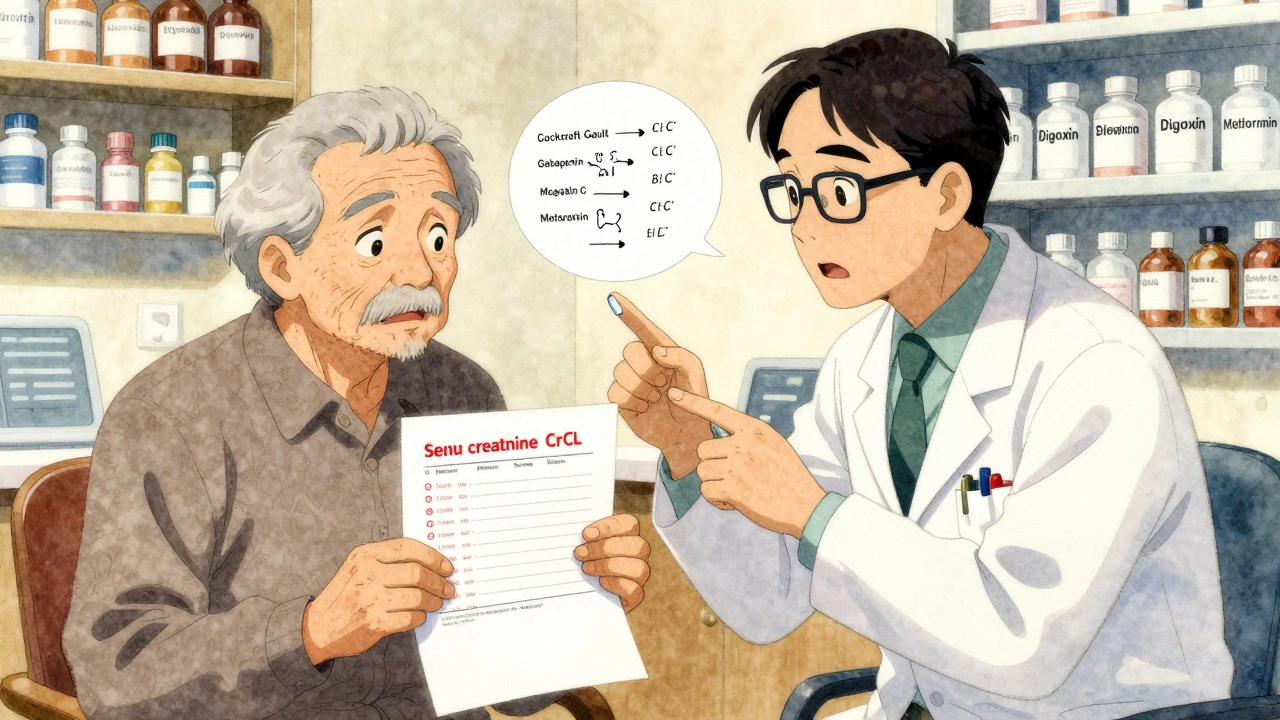
Elderly Renal Impairment: How to Adjust Medication Dosing to Avoid Toxicity
Dec 1, 2025, Posted by Mike Clayton
Elderly patients with kidney impairment are at high risk of medication toxicity. Learn how to adjust doses using creatinine clearance, which drugs are most dangerous, and how to prevent harmful side effects in older adults.
MORESEARCH HERE
Categories
TAGS
- treatment
- online pharmacy
- dietary supplement
- side effects
- medication safety
- generic drugs
- medication adherence
- health
- dietary supplements
- health benefits
- online pharmacy Australia
- generic substitution
- adverse drug reactions
- thyroid disorders
- gabapentin
- treatment option
- calcipotriol
- blood pressure
- erectile dysfunction
- closer look